
Northeast Florida offers a compelling stretch of coastline known as the First Coast, representing one of the most dynamic real estate markets in the United States. Buyers looking at this region often find themselves weighing the urban expansion of a major metro against quieter coastal zones stretching down to St. Augustine, Florida. The decision ultimately comes down to daily priorities, budget, and desired property style.
Understanding the distinct housing markets, commute patterns, and local amenities will help clarify which location better suits your specific relocation goals. Both regions maintain strong appeal, but they cater to completely different lifestyle preferences.
Whether you prioritize proximity to downtown high-rises or the historic charm of a coastal town, this area provides diverse property options. Navigating these two distinct markets requires a clear understanding of what each county has to offer in 2026.
Choosing Between Jacksonville and Amelia Island
A common misconception among out-of-state buyers is that every coastal town in the region falls under the same municipal umbrella. Amelia Island is actually a distinct barrier island located in Nassau County, Florida, not a neighborhood within the Jacksonville city limits.
The island sits roughly 30 miles northeast of Downtown Jacksonville. This geographic separation creates a clear dividing line between the two real estate markets and their respective local governments.
Jacksonville delivers urban and suburban convenience with immediate access to major medical centers, sprawling retail districts, and a massive employment base. Amelia Island trades that high-density infrastructure for a low-density coastal environment anchored by historic preservation. The contrast is stark, offering buyers a genuine choice between city connectivity and small-town seclusion.
Buyers looking at Nassau County often appreciate the strict zoning laws that preserve the natural tree canopy and limit high-rise development. Conversely, Jacksonville embraces vertical growth and continuous expansion to accommodate its booming population. This fundamental difference in civic planning shapes the daily experience of living in either location.
Real Estate Market Trends: Amelia Island vs. Jacksonville
The housing markets in these two areas operate at vastly different price points in 2026. Jacksonville maintains broad affordability and deep inventory, making it an accessible entry point for many buyers. The sheer size of the city ensures a continuous supply of diverse housing options.
In early 2026, the median home price in Jacksonville sits at approximately $300,000 to $310,000. Buyers exploring homes for sale in Jacksonville will find everything from suburban single-family builds in master-planned communities to high-rise condos along the St. Johns River. This market volume allows for significant flexibility during the property search.
Amelia Island caters to a premium luxury market with significantly higher entry costs. The Amelia Island and Fernandina Beach median home price averages around $699,000 to $700,000. This pricing reflects the limited land availability inherent to a barrier island environment.
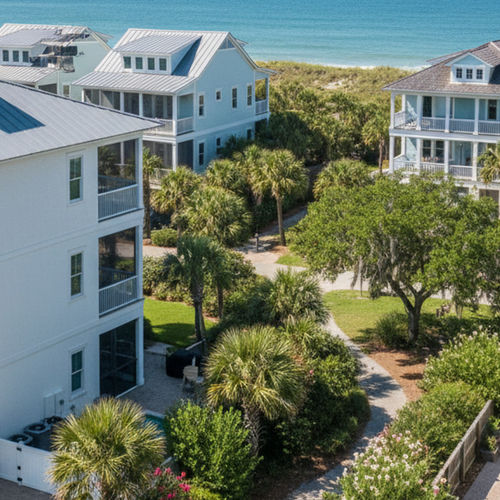
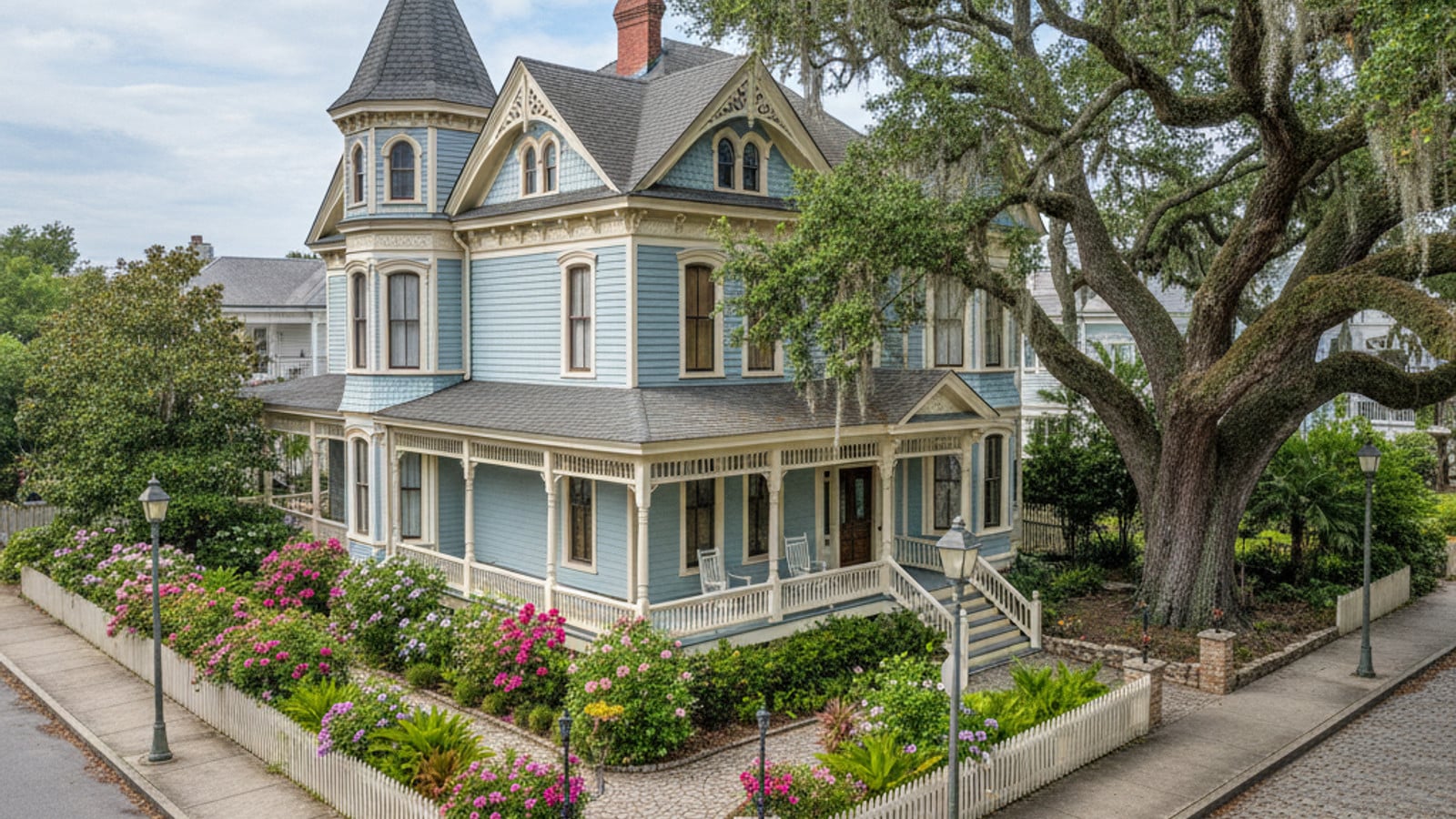
The property types on the island are highly specialized compared to the mainland. Available real estate includes beachfront condos overlooking the Atlantic Ocean, dockable waterfront estates on the Intracoastal Waterway, and historic Victorian homes situated near downtown Fernandina Beach. Inventory here moves differently, often driven by second-home buyers and luxury investors.
Short-term rental regulations also differ significantly between the two markets. Investors eyeing Amelia Island must navigate specific zoning overlays that dictate where vacation rentals are legally permitted. Jacksonville offers a broader landscape for long-term rental investments, particularly in the growing suburban corridors.
Property Taxes: Duval County vs. Nassau County
Florida calculates property taxes using millage rates applied to the assessed value of a home. When comparing these two areas, buyers must look at the specific rates levied by their respective counties. Tax liabilities can shift significantly just by crossing the county line.
Jacksonville operates under a consolidated government within Duval County. The effective property tax rate here typically runs about 0.77% to 0.80% of the assessed property value. This rate funds the extensive municipal services required by a major metropolitan area.
Amelia Island falls under Nassau County, which generally features a slightly lower tax burden. The effective property tax rate in Nassau County hovers around 0.68% to 0.74%. Buyers often factor this slight reduction into their long-term carrying costs when purchasing higher-priced island real estate.
Primary residents in both locations can take advantage of the 2026 Florida Homestead Exemption. This exemption provides up to $51,411 in assessed value reduction, which significantly lowers the total annual tax bill for owner-occupants. It also places a cap on how much the assessed value can increase year over year.
Commute Times and Transportation Infrastructure
Transportation logistics play a major role for buyers who plan to live on the coast but work in the city. The drive time from Amelia Island to downtown Jacksonville is typically 40 to 50 minutes, depending heavily on traffic conditions. This distance requires a dedicated daily travel routine for commuters.
The primary driving routes connecting Nassau County to Duval County are Interstate 95 and State Road A1A. Interstate 95 handles the bulk of the high-speed regional traffic moving north and south. State Road A1A offers a scenic but slower coastal alternative that connects through various beach communities.
Rush hour flow can add noticeable delays for those commuting southward into Duval County during the morning hours. Traffic tends to bottleneck near major highway interchanges as drivers merge toward the urban core. Evening return trips present similar congestion patterns heading back toward Nassau County.
Living on Amelia Island while working in downtown Jacksonville is entirely feasible for a daily commuter. However, buyers must be comfortable spending roughly an hour and a half in the car each day for the round trip. Remote workers or those with hybrid schedules often find this distance much more manageable.
Frequent travelers must also consider proximity to Jacksonville International Airport. The airport is located on the north side of Duval County, making the drive from Amelia Island relatively straightforward via Interstate 95. Residents in southern Jacksonville neighborhoods often face a longer, more congested drive to reach the same terminal.
Lifestyle Amenities, Entertainment, and Community Services
Jacksonville provides a dense concentration of urban amenities spread across a massive geographic footprint. Residents have easy access to the historic Riverside district, extensive shopping at St. Johns Town Center, and multiple professional sports venues. The city also hosts major healthcare campuses and a thriving local arts scene.
Amelia Island delivers a highly focused coastal lifestyle centered around outdoor recreation and local heritage. The island features 13 miles of pristine beaches, numerous championship golf courses, and the expansive trails of Fort Clinch State Park. Historic sites like American Beach, Florida also highlight the deep cultural roots of the area.
The historic downtown of Fernandina Beach, Florida serves as the cultural hub of the island. This walkable district is lined with boutique shops, local restaurants, and preserved architecture dating back to the late 19th century. The commercial layout prioritizes independent businesses over large-scale retail chains.
The culinary landscape in both areas reflects their respective demographics and geographic advantages. Jacksonville boasts a sprawling restaurant scene featuring everything from high-end steakhouses to diverse international cuisine. Amelia Island focuses heavily on locally sourced seafood, with many independent restaurants operating out of preserved historic buildings.
Both regions offer distinct community services and administrative frameworks to support their residents. Understanding the local infrastructure is especially important when evaluating the educational options available in each county. Buyers relocating from out of state should research these jurisdictions early in the process.
Public School Districts Serving Both Areas
Education administration is divided strictly by county lines in Northeast Florida. Buyers evaluating living in Jacksonville or Amelia Island will interact with completely different administrative bodies. There is no overlap between the two municipal systems.
Duval County Public Schools serves the entire Jacksonville area and its surrounding mainland suburbs. Conversely, the Nassau County School District manages all public educational facilities for Amelia Island and Fernandina Beach. Property location dictates exact zoning within these respective districts.
Frequently Asked Questions
Is Amelia Island considered part of Jacksonville?
No, Amelia Island is not part of Jacksonville. It is a distinct barrier island located in Nassau County, roughly 30 miles northeast of the Jacksonville city center. The island operates under its own local governance, including the municipality of Fernandina Beach.
What's the better day trip: Fernandina Beach or Amelia Island?
This question presents a slight geographic misconception, as Fernandina Beach is actually a city located directly on Amelia Island. A day trip to the area typically includes exploring the historic downtown district of Fernandina Beach before driving a few miles south to enjoy the island's public parks. Visitors can easily experience the boutique shops and the Atlantic Ocean beaches in a single afternoon.
What is the prettiest beach in the Jacksonville area?
The most visually striking shoreline often depends on personal preference regarding natural preservation versus accessible amenities. Hanna Park in Jacksonville offers a rugged, natural coastline with excellent surfing, while Amelia Island provides 13 miles of wide, quartz-sand beaches. Neptune Beach and Jacksonville Beach, Florida also remain highly sought-after stretches for those who prefer a walkable coastal environment with immediate access to dining.
Check out this article next