
Northeast Florida has quickly become a premier destination for buyers seeking coastal proximity, strong local economies, and year-round sunshine. The region offers a massive variety of real estate options, ranging from dense urban corridors to meticulously designed suburban developments. Navigating this market requires understanding the distinct lifestyle and financial differences between the area's primary housing hubs.
When deciding where to purchase a property in this region, many buyers find themselves weighing a choice between living in Jacksonville and moving to the specific master-planned community of Nocatee. Jacksonville provides a sprawling landscape of historic neighborhoods, diverse architecture, and varied price points. Nocatee offers a highly structured environment focused on golf-cart connectivity, new construction, and extensive proprietary amenities.
Comparing Jacksonville vs Nocatee for Your Next Move
The rising popularity of the Northeast Florida region brings a steady stream of new residents looking at homes for sale in Jacksonville and its surrounding suburbs. Choosing the right location often comes down to prioritizing urban diversity and lower entry prices versus extensive planned amenities and newer construction. Jacksonville operates as a massive urban and suburban landscape featuring distinct historical neighborhoods and commercial districts.
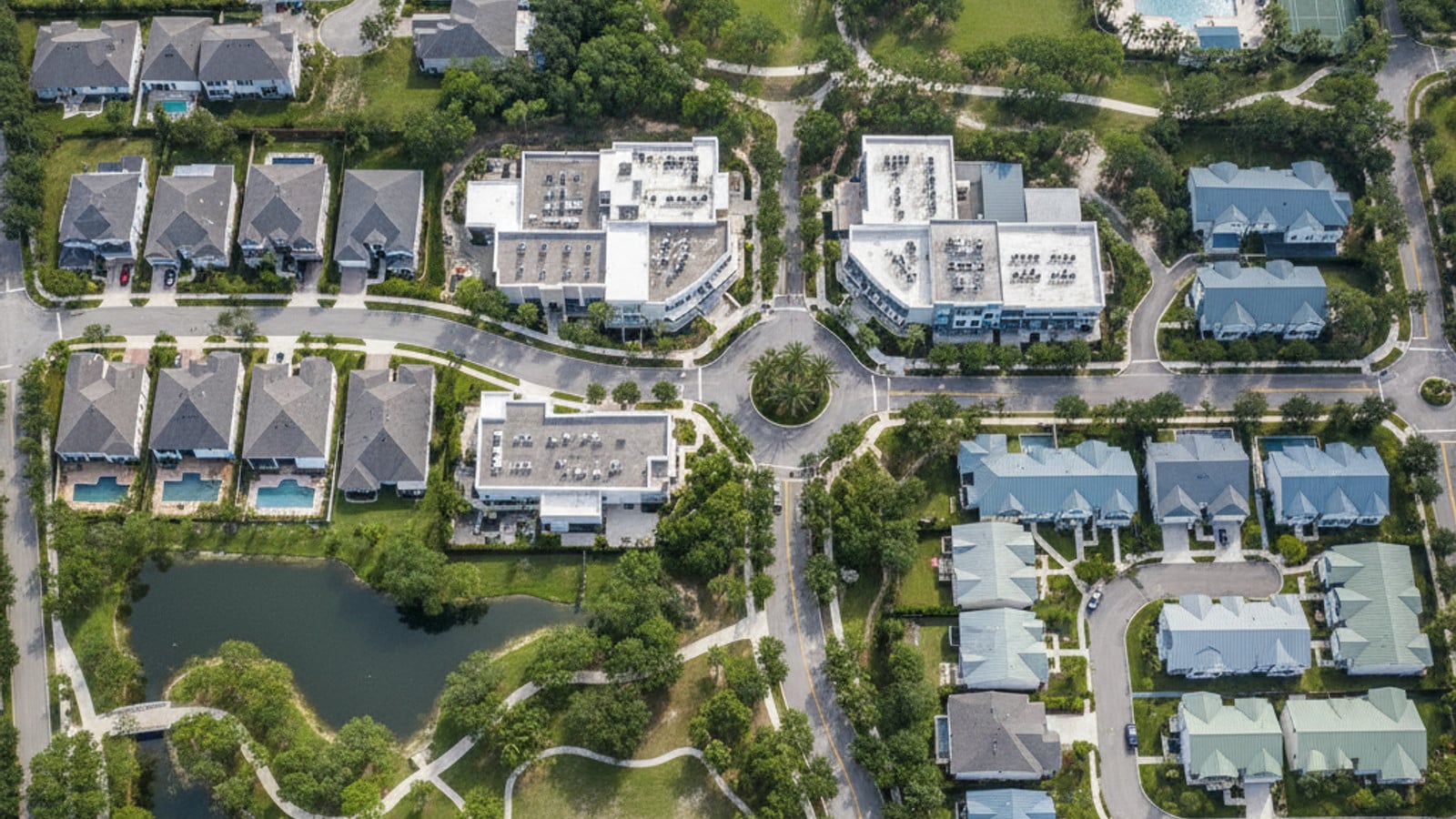
Nocatee sits approximately 26 miles southeast of Downtown Jacksonville as a large master-planned community located primarily in St. Johns County. This development is known for its highly structured layout, where residential villages connect directly to a central commercial hub. Buyers must decide if they prefer the organic, evolving nature of a major city or the curated, predictable environment of a master-planned footprint.
Housing Markets: Historic Charm vs. New Construction
The real estate markets in these two areas cater to fundamentally different buyer preferences and budgets. Jacksonville offers an approximate median home price of $300,000, making it highly accessible relative to the national average. Buyers here can find a wide spectrum of property types, from mid-century ranch homes to modern downtown condominiums.
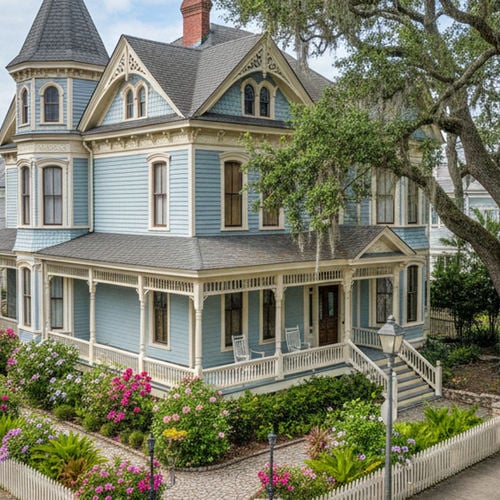
Established tree-lined streets in historic Jacksonville neighborhoods like Riverside and San Marco offer unique architectural details that are difficult to replicate. In contrast, Nocatee features an approximate median home price ranging from $643,000 to $675,000. This higher price point reflects the premium associated with newer construction, modern energy efficiency, and immediate access to community amenities.
Nocatee inventory consists heavily of new-build single-family homes and contemporary townhouses. A buyer's budget will dictate a clear tradeoff between these two locations. The same purchase price that secures a brand-new, smaller footprint home in Nocatee can often purchase a significantly larger, older property within the Jacksonville city limits.
Understanding HOA and CDD Fees
Living in Nocatee requires homeowners to pay both standard Homeowners Association (HOA) fees and Community Development District (CDD) fees. The CDD is a non-ad valorem assessment added directly to the annual property tax bill. These funds are used to repay municipal bonds that financed Nocatee's roads, water parks, and underground infrastructure.
The CDD fee structure is split into a debt service portion and an operations and maintenance portion. This contrasts sharply with many older Jacksonville neighborhoods, where properties frequently have zero HOA fees or very minimal annual dues. Buyers evaluating Nocatee properties must calculate the total monthly carrying costs, rather than just the principal and interest of the mortgage, to understand the true financial commitment.
Commute Times and Transportation Infrastructure
Understanding the geographic relationship between Nocatee and Downtown Jacksonville is crucial for anyone planning a daily commute. Nocatee is situated near the coast, requiring drivers to navigate suburban highways to reach the urban core. The primary commuting routes include US-1, Interstate 95, and the locally utilized Nocatee Parkway.
The drive time from Nocatee to Downtown Jacksonville is typically 30 to 50 minutes, heavily dependent on peak traffic conditions. Morning and evening rush hours consistently impact travel times along the I-95 corridor. Jacksonville itself is heavily car-dependent, but living centrally within the urban core dramatically reduces daily driving time for those working downtown.
Buyers who prioritize a short commute to major corporate offices or hospitals often lean toward central Jacksonville neighborhoods. Those who work remotely or have flexible schedules find the longer drive from Nocatee to be a reasonable tradeoff for the dedicated community features.
Local Amenities: City Living vs. Resort-Style Perks
The lifestyle in Northeast Florida varies wildly depending on whether you rely on municipal city amenities or private community features. Jacksonville features extensive urban core offerings, including prominent art museums, professional sports venues, and expansive riverfront event spaces. These city amenities are public, geographically dispersed, and reflect a diverse metropolitan culture.
Nocatee defines its lifestyle through proprietary resident benefits that are highly localized. The community is famous for its Splash Water Park, extensive Greenway trails, and a dedicated planned town center. These facilities are funded directly by resident fees and are designed to keep daily recreation within a short golf-cart ride from home.
The difference in access is a major deciding factor for prospective buyers. Jacksonville offers the organic experience of exploring distinct commercial districts and varied culinary scenes across a massive city. Nocatee provides self-contained recreation where the community infrastructure is meticulously maintained and easily accessible to residents.
Comparing the Local School Districts
School district boundaries are a major consideration for many buyers moving to Northeast Florida. Jacksonville properties generally fall under the jurisdiction of Duval County Public Schools, which operates as one of the largest districts in the state. Nocatee properties, due to their location, primarily fall under the St. Johns County School District.
Duval County Public Schools manages approximately 200 schools serving over 125,000 students across a vast geographic area. The district offers numerous magnet programs and specialized academies tailored to specific academic or artistic interests. The St. Johns County School District is smaller, with approximately 55 schools serving over 52,000 students.
St. Johns County features a high concentration of newer facilities built specifically to accommodate the rapidly growing suburban population. Buyers must rigorously verify exact attendance boundaries for any specific address before making an offer. New construction and population shifts frequently cause zoning changes, meaning the closest facility is not automatically the assigned one.
Frequently Asked Questions
Is Nocatee considered part of Jacksonville?
Nocatee is not a municipality or a neighborhood of Jacksonville, but rather an unincorporated master-planned community. The vast majority of Nocatee is located within St. Johns County, though a small northern portion extends into Duval County. Residents typically have a Ponte Vedra address for their official mailing zip code.
How do CDD fees differ from HOA fees in Nocatee?
HOA fees in Nocatee cover the enforcement of neighborhood rules, landscaping of common areas, and local neighborhood management. CDD fees are infrastructure assessments collected via the annual property tax bill to pay off the community's municipal bonds. Together, these two fees fund the extensive water parks, roads, and trails that define the development.
What is the average commute from Nocatee to Jacksonville International Airport?
Driving from Nocatee to Jacksonville International Airport typically takes about 45 to 60 minutes. The route requires traveling north through the city via I-95 or FL-9B, making it susceptible to standard rush hour delays. Frequent travelers should factor this transit time into their decision when evaluating the community's location.
Check out this article next