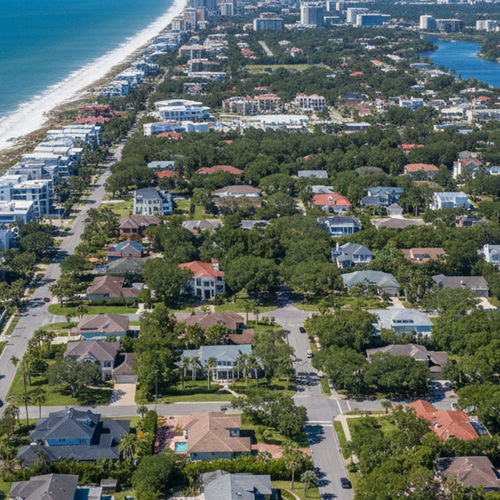

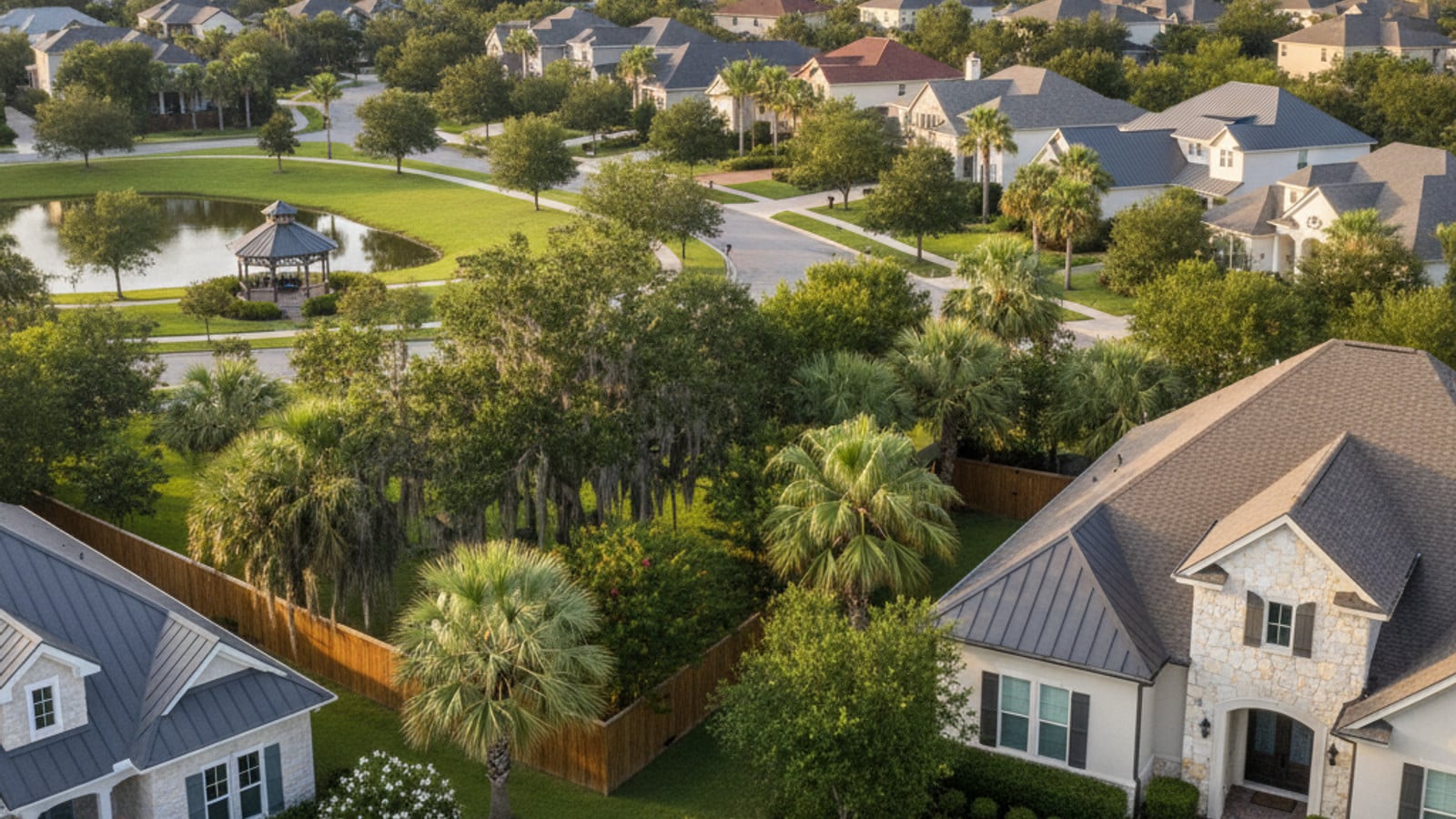
Jacksonville has quietly transformed into one of the most compelling coastal cities in Florida for relocating buyers. Making a move to Jacksonville means gaining access to a massive geographic footprint filled with diverse neighborhoods and expanding business centers. The sheer scale of Duval County provides housing options for almost any lifestyle preference.
With the state's population surging, this northeast Florida metro area offers a unique combination of economic stability and coastal recreation. Buyers searching for homes for sale in Jacksonville often find that their housing budget stretches much further here than in Miami or Tampa. The region blends historic charm with modern infrastructure to create a highly functional environment.
Understanding the local landscape requires looking past the surface-level tourist destinations. The city operates as a major logistical hub while maintaining the relaxed atmosphere of a beach town.
Is Jacksonville FL Good for Young Professionals?
The city has experienced massive population growth over the last few years. New residents are consistently drawn by the strong local economy and the highly favorable tax climate. This influx of out-of-state migration has rapidly accelerated the development of new housing and commercial spaces.
Florida residents benefit from a zero percent state income tax, which keeps significantly more money in your pocket each month. This financial advantage is especially powerful when combined with the region's comparatively low cost of living. You can allocate those tax savings directly toward a down payment or weekend entertainment.
Jacksonville offers a rare balance of professional opportunity and accessible housing costs. This dynamic makes the city highly competitive against other major Florida markets where affordability has sharply declined. Buyers who felt priced out of South Florida frequently find viable real estate options here.
The Local Economy and Job Market in Jacksonville
The local job market is expanding heavily across several key sectors, creating a robust environment for career advancement. This diversification protects the local economy from industry-specific downturns and creates consistent employment opportunities. Major corporate campuses are spread throughout the Southside and Downtown Jacksonville districts.
Finding a role is highly accessible due to continuous hiring from major regional employers. Some of the most prominent organizations driving this economic growth include:
Amazon and Sysco operating massive logistics hubs across the metro area.
Local hospital networks aggressively hiring specialized healthcare staff.
Major banking institutions anchoring the downtown finance sector.
Total employment in the Jacksonville metropolitan area recently topped 750,000 workers. Forecasted job opportunities sit between three and four and a half percent annual growth. These metrics indicate a healthy, sustainable corporate environment that supports long-term residency.
This rapid expansion of advanced manufacturing and finance sectors offers unparalleled corporate mobility. Buyers often find more entry-level and mid-level positions here compared to saturated coastal markets. Building a long-term career is entirely feasible without the need to constantly relocate.
Real Estate and Average Housing Costs
Understanding the local real estate market is crucial before you pack up and relocate. As of the first quarter of 2026, the median home price sits at approximately $310,000. This pricing structure represents a significant discount compared to the national average.
The rental market is equally active across the metro area. A standard one-to-two bedroom apartment ranges from roughly $1,300 to $1,700 per month. These rates give new arrivals a chance to learn the city before committing to a thirty-year mortgage.
Available housing stock varies wildly depending on the zip code you target. You will find a sharp contrast between modern high-rise condominiums in Downtown Jacksonville and historic single-family homes in Riverside and Avondale. Master-planned communities are also expanding rapidly throughout the Baymeadows and Southside corridors.
Purchasing a property remains highly accessible for single-income buyers compared to the national average. This lower barrier to entry allows new residents to build equity much earlier in their careers. Securing affordable housing is entirely realistic with standard conventional or FHA loan programs.
Lifestyle Amenities and Entertainment Districts
Life outside the office is heavily defined by the local waterways and extensive state parks. Residents enjoy immediate proximity to the coast, specifically the expansive stretches of Jacksonville Beach and Neptune Beach. These coastal zones offer excellent beach access, surfing, and waterfront nightlife.
The St. Johns River cuts directly through the city center. This major waterway provides excellent access for kayaking, boating, and scenic waterfront dining. Exploring the river quickly becomes a staple of local weekend routines.
Cultural anchors like the Cummer Museum of Art, San Marco Square, and a thriving local brewery scene provide endless entertainment. Popular neighborhoods like Murray Hill and Avondale offer distinctive restaurant scenes, independent coffeehouses, and boutique shopping. Residents can easily access local theater productions, minor league baseball games, and numerous golf courses.
Having immediate access to both dense urban dining and 22 miles of beaches is a massive advantage. This setup eliminates the need to choose between city amenities and coastal recreation. You can spend the morning playing pickleball at a local park and the evening enjoying high-end cuisine near the Town Center.
Public Transportation and Commute Times
Navigating the largest city by land mass in the contiguous United States requires some logistical planning. The average commute time is roughly 26 minutes, which remains remarkably below the national average. This efficiency is largely due to a well-distributed highway network.
The city is highly connected by major transit corridors. Commuters rely heavily on Interstate 95 and Interstate 295 to navigate between the suburbs and the commercial centers. Traffic flows reasonably well outside of peak rush hour windows, though bridge crossings can cause occasional delays.
Public transit options include the Jacksonville Transportation Authority bus routes and the downtown Skyway Monorail. These systems primarily serve the urban core and immediate surrounding districts. They offer a functional alternative for those living and working strictly within the downtown footprint.
While public transit exists, Jacksonville is definitively a car-dependent city. Buyers must budget for vehicle ownership and factor daily driving into their relocation plans. Relying solely on rideshare services or walking is only viable in a handful of highly specific neighborhoods.
Frequently Asked Questions About Moving to Jacksonville
What is the cost of living in Jacksonville, FL?
The cost of living is notably lower than the national average, primarily driven by accessible housing and a zero percent state income tax. Residents typically pay around $1,300 to $1,700 monthly for an apartment. Everyday expenses like groceries and utilities also remain highly competitive compared to other major Florida cities.
Is it hard to find a job in Jacksonville, FL?
Finding employment is generally easier here than in highly saturated markets due to robust annual job growth. The metro area boasts over 750,000 jobs, with heavy hiring in logistics, finance, and healthcare. The steady influx of new corporations continues to create diverse career opportunities across multiple sectors.
Where do most young professionals live in Jacksonville?
Many buyers target neighborhoods that offer walkability and proximity to dining. Areas like Riverside, San Marco, and Jacksonville Beach are popular choices due to their blend of historic architecture, coffeehouses, and local entertainment. The Southside district also attracts residents looking for modern apartments near major employment centers.
Check out this article next