

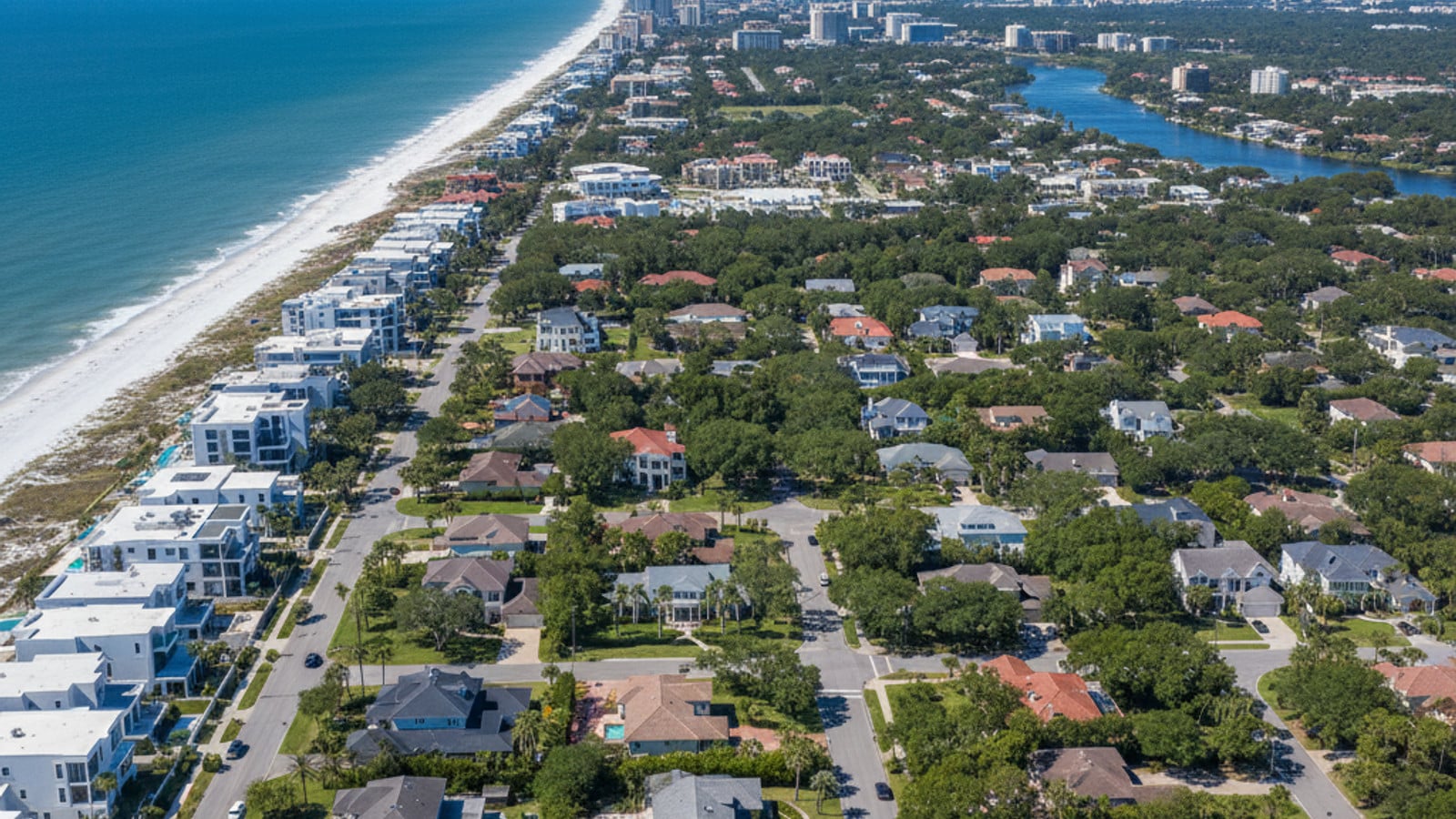
Finding things to do in Jacksonville FL means navigating a massive geographic footprint defined by the St. Johns River and the Atlantic Ocean. This sprawling layout creates distinct pockets of recreation, ranging from dense historic districts to expansive coastal preserves. The sheer scale of the region means that visitors and residents rarely run out of new areas to explore.
Buyers exploring homes for sale in Jacksonville quickly learn that the city does not have a single, centralized entertainment zone. Instead, amenities are distributed across several major hubs, making a personal vehicle absolutely essential for daily travel. Understanding how these districts connect will drastically improve your experience when mapping out weekend itineraries.
Exploring the Jacksonville Lifestyle
The local recreational landscape is heavily shaped by the city's impressive landmass and its 22 miles of uninterrupted beaches. Proximity to the I-95 corridor allows residents to traverse the region efficiently, connecting the inland neighborhoods to the coast. However, travel times between the Northside and the southern beaches can easily exceed 45 minutes during peak traffic.
This geographic spread means that weekend activities often require planning around specific, localized neighborhoods. Visitors and residents can expect a wide variety of environments, from protected historical preserves to modern open-air shopping centers. Each sector of the city maintains its own distinct architectural style and commercial energy.
The most desirable lifestyle hubs typically offer a strong blend of natural water access and developed commercial infrastructure. Understanding these regional distinctions helps buyers pinpoint exactly where they want to establish their roots. A well-planned visit will focus on one or two specific areas per day rather than attempting to cross the entire county.
Jacksonville Beaches and Waterfront Activities
The coastal areas provide a major draw for anyone living in Jacksonville, offering a distinct environment completely separate from the inland urban core. These oceanfront neighborhoods maintain their own local governments, commercial districts, and zoning rules. The resulting atmosphere feels much more like a dedicated resort town than a typical city suburb.
Public access points, pier fishing, and waterfront dining dominate the local economy along the immediate shore. The Atlantic coastline here is characterized by wide, hard-packed sand that easily supports high volumes of pedestrian and bicycle traffic. This accessible shoreline ensures that outdoor activity remains a constant fixture of the local culture.
Jacksonville Beach and Neptune Beach
Neptune Beach features a highly pedestrian-friendly grid that makes walking between local coffee shops and the shoreline incredibly efficient. Just to the south, Jacksonville Beach centers around the massive Seawalk Pavilion. This outdoor amphitheater serves as a primary gathering space, hosting frequent oceanfront concerts and seasonal events.
Both neighborhoods offer paved walking paths and exceptionally well-maintained public facilities. Visitors should expect to pay approximately $1.50 per hour for metered street parking near the immediate beachfront. Securing a spot during summer weekends often requires arriving early in the morning before the primary lots fill up.
The Mayport Shrimp Trail
Located near the mouth of the St. Johns River, the self-guided Mayport Shrimp Trail focuses heavily on fresh, locally caught Atlantic seafood. Diners can often sit on rustic outdoor docks and watch commercial boats bring in the daily catch right to the restaurant. This culinary route highlights the long-standing maritime traditions of the northern coast.
These locations are easily accessible by car or via the St. Johns River Ferry, which connects the coastal highway directly across the water. Taking the ferry adds a unique, scenic transit option to a standard dining trip.
Public Parks and Outdoor Recreation
Jacksonville manages one of the largest urban park systems in the United States, preserving vast tracts of completely undeveloped land. This commitment to green space provides residents with immediate, daily access to dense forests and tidal marshes. The city prioritizes ecological conservation just as heavily as commercial development.
The sheer volume of protected acreage means that outdoor recreation is deeply integrated into the local housing market. Properties located near major trailheads or public kayak launches frequently command higher valuations due to these permanent natural amenities. Access to nature remains a primary deciding factor for buyers relocating to the region.
Kathryn Abbey Hanna Park
Hanna Park serves as a major destination for both coastal and inland recreation, requiring a modest $5 daily entry fee per vehicle. The facility covers an enormous footprint, offering diverse micro-environments that cater to highly active visitors. The park infrastructure supports everything from casual afternoon picnics to extended overnight stays.
The grounds feature several distinct recreational zones designed for public use:
Over 20 miles of mountain biking and hiking trails designed to challenge various skill levels.
A 60-acre freshwater lake equipped with a dedicated kayak launch and pedal boat rentals, though swimming is strictly prohibited.
Extensive camping facilities with 2026 rates set at approximately $18 per day for tents and $30 per day for RVs or cabins.
Roughly 1.5 miles of sandy beach access, which includes the highly active and renowned surfing area known as 'The Poles'.
Timucuan Ecological and Historic Preserve
This expansive national preserve covers 46,000 acres of vital salt marshes, coastal dunes, and mature hardwood hammocks. The protected area maintains the natural coastal ecosystem while offering extensive, low-impact public access to the water. It represents one of the last unspoiled coastal wetlands on the Atlantic coast.
Specific entry points like Cedar Point provide excellent kayak launches and boat ramps directly into the winding tidal creeks. Visitors can also explore the shaded hiking trails at the Theodore Roosevelt Area or tour the historic Kingsley Plantation. The plantation grounds currently operate Wednesday through Sunday, offering a deep look into the region's complex history.
Major Cultural and Historical Attractions
Beyond the beaches and parks, the city maintains a robust network of arts, science, and zoological institutions. These specialized facilities serve as primary educational and cultural anchors for the broader metropolitan area. They provide critical indoor entertainment options during the intense heat of the summer months.
Recent massive capital investments have significantly modernized these campuses to meet growing population demands. The ongoing infrastructure updates ensure that the local museum and garden districts remain highly competitive with other major Florida markets. The year 2026 marks a major turning point for several of these legacy institutions.
Jacksonville Zoo and Botanical Gardens
A recent official rebrand highlights the facility's dual focus, showcasing over 1,000 plant species alongside its rare animal exhibits. This strategic shift is driven by a massive $120,000,000 'Rezoovenation' campaign targeting comprehensive 2026 upgrades. The investment completely transforms the visitor experience from the moment they arrive.
The newly opened March 2026 VyStar SkyScape entrance fundamentally changes how visitors access and navigate the expansive park. Additionally, the new 330,000-gallon Manatee River critical care habitat now actively rehabilitates injured Florida manatees on site. This specific exhibit underscores the institution's commitment to local wildlife conservation.
Cummer Museum of Art and Gardens
The Cummer Museum houses an extensive permanent collection featuring over 5,000 works of historic and contemporary art. The property is equally famous for its century-old Italian and English gardens situated directly on the scenic banks of the St. Johns River. These meticulously maintained grounds offer a striking contrast to the surrounding urban architecture.
The general admission price is approximately $20 for standard adult entry. As of early 2026, visitors should note that the museum remains completely closed on Mondays to accommodate maintenance and private events. Planning ahead is essential to ensure access to both the indoor galleries and the outdoor botanical spaces.
Museum of Science & History (MOSH)
MOSH officially closed its legacy Southbank location in late 2025 to prepare for a massive, highly anticipated relocation project. The institution is currently transitioning to a new, state-of-the-art campus located directly on the Northbank shipyards. This move represents one of the largest civic development projects in recent city history.
This $131,000,000 project broke ground in 2026, with a targeted reopening timeline of 2028 or 2029 for the 50,000-square-foot facility. During this multi-year construction phase, the museum continues to operate through temporary pop-up exhibits and regional educational outreach. These interim programs ensure that the community retains access to vital science education.
Local Dining, Shopping, and Markets
Because the city is so geographically spread out, concentrated retail and market districts act as essential hubs of localized activity. These commercial zones provide dense, highly walkable environments that contrast sharply with the otherwise car-dependent metropolitan layout. They serve as primary gathering spaces for weekend socializing and errands.
Choosing exactly where to shop or dine often comes down to parking logistics and transit times from your home base. Master-planned outdoor centers and weekly markets draw significant crowds by offering highly curated local and national vendors in one place. These destinations are built to keep visitors engaged for several hours at a time.
St. Johns Town Center
St. Johns Town Center stands as the premier open-air shopping destination in the region, housing well over 175 retailers and restaurants. The layout features wide sidewalks and palm-shaded rest areas, resulting in excellent walkability once visitors park their vehicles. It operates as a self-contained commercial ecosystem for the southern half of the city.
The directory includes a strong mix of high-end luxury retailers alongside highly accessible casual dining options. An abundance of free surface lots and multi-level parking garages offers a stark, convenient contrast to paid downtown parking. This ease of access makes it a default destination for residents across multiple zip codes.
Riverside Arts Market
This vibrant weekly artisanal market operates every Saturday from 10 a.m. to 3 p.m. directly under the canopy of the Fuller Warren Bridge. The sprawling vendor mix includes local farmers, independent artists, and food trucks, all accompanied by live music. The shaded location provides excellent protection from the midday sun while offering direct river views.
Visitors can utilize the free parking available at the nearby Fidelity building or access the site via established JTA bus routes. Local experts strongly advise arriving before 11 a.m. to secure the best parking spaces and avoid the heaviest afternoon crowds. The market frequently hits capacity by noon during the peak spring and fall seasons.
Frequently Asked Questions
Is public transportation viable for sightseeing in Jacksonville?
While JTA buses serve dense areas like Riverside, relying solely on public transit is not recommended for a comprehensive visit. The vast geographic footprint of the city makes a personal vehicle the most efficient way to navigate between distant attractions.
What are the free things to do in Jacksonville?
Budget-conscious visitors can walk the scenic Southbank Riverwalk or browse the vendors at the Riverside Arts Market without spending a dime. Additionally, the Cummer Museum of Art and Gardens offers specific free admission days throughout the year.
Check out this article next