
Relocating to a new city requires a clear understanding of the local housing market, daily expenses, and transportation infrastructure. Jacksonville stands out as a sprawling metropolitan area that offers a distinct coastal lifestyle alongside a growing economic base. Understanding the realities of living in Jacksonville will help you make a confident, informed decision about your next primary residence.
The city spans an enormous geographic footprint, meaning your daily experience relies heavily on which specific zip code you choose. Buyers and renters evaluating homes for sale in Jacksonville must balance their budget against proximity to major employment centers and the Atlantic Ocean. This guide outlines the objective facts about the regional real estate inventory, labor economics, and neighborhood features for 2026.
An Objective Guide to Moving to Jacksonville, FL
Jacksonville is the largest city in the Contiguous United States by land area, covering over 840 square miles. This massive scale creates a highly localized real estate market where property values and amenities shift dramatically from one block to the next. Navigating this vast landscape requires prioritizing your daily commute and preferred access to the St. Johns River or the eastern coastline.
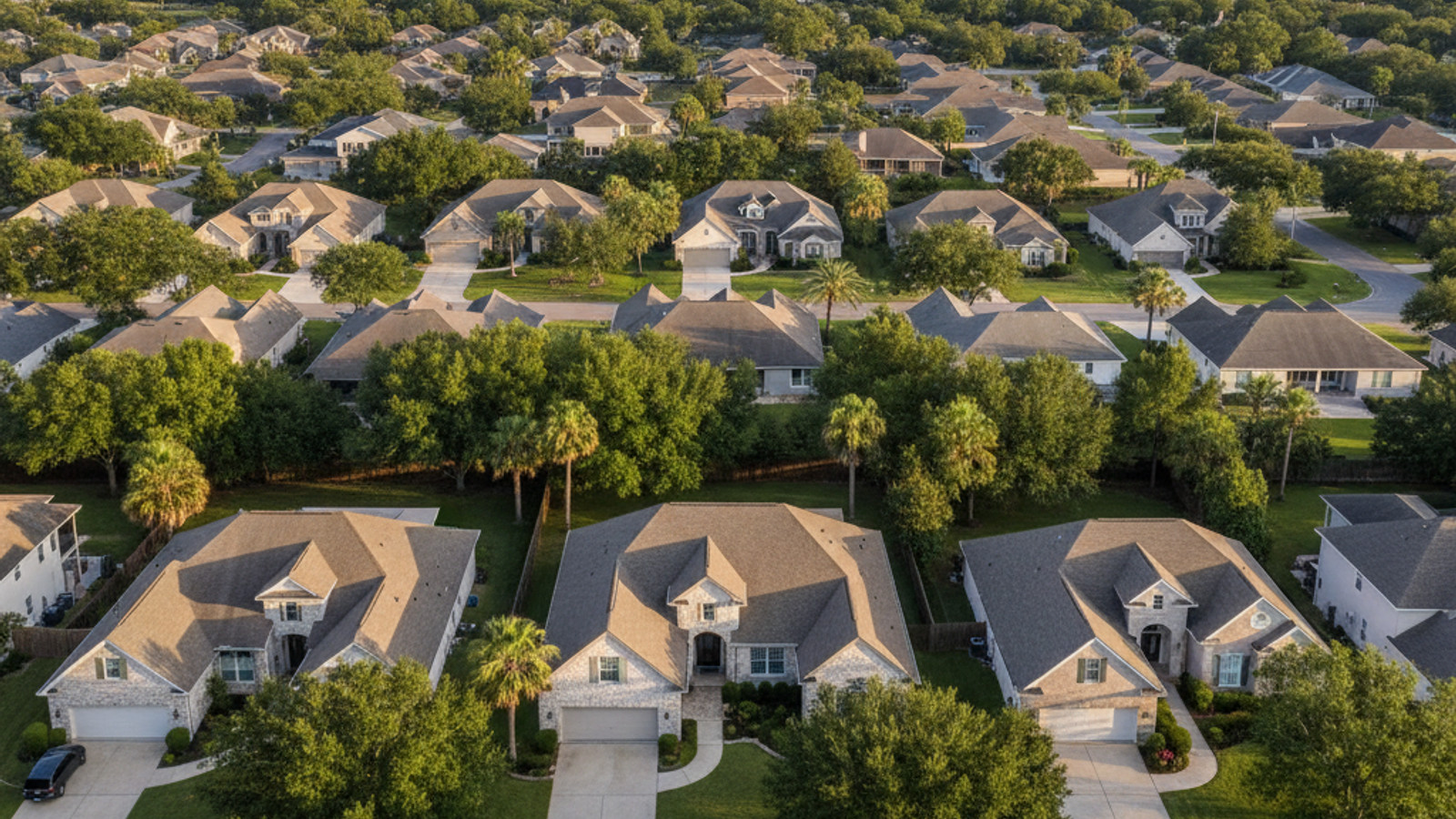
The local housing mix provides options ranging from high-density downtown apartments to sprawling suburban single-family estates. Buyers relocating to Jacksonville often find that their purchasing power stretches further here compared to other major coastal hubs. The state of Florida also levies no state income tax, which directly increases take-home pay and influences overall housing budgets for incoming residents.
Analyzing the Jacksonville Cost of Living
Evaluating the cost of living in Jacksonville requires looking beyond the baseline sticker price of real estate. The city generally maintains an affordable cost of living compared to the national average and other major Florida cities like Miami. However, affordability is highly relative and scales aggressively depending on how close a property sits to the coast or the urban core.
A lower cost of living does not mean housing is universally inexpensive across Duval County. Buyers targeting oceanfront property or historic districts will face premium pricing and fierce competition for low inventory. The core takeaway for anyone considering moving to Jacksonville is to calculate total monthly expenses, including regional property taxes and utility usage, rather than just the mortgage principal.
Median Home Prices and Property Taxes
The 2026 median home price in the local MLS typically ranges from approximately $300,000 to $397,000. These figures represent a broad average, with newly constructed homes and coastal properties commanding significantly higher sale prices. Duval County assesses an effective property tax rate of roughly 1.14%, which buyers must factor into their monthly escrow estimates.
Florida residents can utilize the homestead exemption to reduce the assessed value of their primary residence. This exemption caps the annual increase in assessed property value, providing long-term predictability for homeowners. Securing this tax benefit is a crucial step for buyers establishing permanent residency in northeast Florida.
Rental Rates and Average Utility Costs
Renters entering the market will find that apartment lease rates fluctuate based on square footage and building amenities. In 2026, average monthly apartment rents range from $1,300 to $1,700 across the metropolitan area. Single-family home rentals demand a higher premium, often landing between $1,700 and $2,500 per month depending on the neighborhood.
Utility costs in the region require careful budgeting, particularly during the peak summer heat. Extended periods of high temperatures and humidity drive up air conditioning usage, leading to elevated electric bills from providers like JEA. Renters and buyers alike should request historical utility averages when touring prospective properties to avoid seasonal budget surprises.
Major Employers and Employment Sectors
A robust local economy underpins the steady demand for housing across Duval County and surrounding areas. Jacksonville has evolved into a prominent hub for healthcare, finance, and logistics, attracting a diverse workforce from across the country. This economic diversity prevents the region from relying entirely on tourism, creating a more stable environment for long-term real estate investments.
The military also maintains a massive footprint in the region, serving as a foundational pillar of the labor market. Naval Air Station Jacksonville alone employs over 20,000 military and civilian personnel. This constant influx of service members ensures a consistent baseline of demand for both rental units and single-family homes near the base.
Healthcare and Finance Industries
The concentration of medical and financial institutions heavily influences residential development patterns in the city. Professionals relocating for these sectors often target housing in San Marco or the immediate suburbs to minimize their daily drive. Key organizations anchoring these industries include:
Mayo Clinic and Baptist Health: These premier medical providers drive the local healthcare sector, with Baptist Health employing over 14,000 people locally.
Bank of America and FIS: Major banking and financial technology corporations maintain massive operational hubs within the modern Jacksonville center.
Specialty Clinics: A growing network of specialized medical centers continues to expand throughout the St. Johns County corridor.
These major employers create a steady influx of high-earning professionals seeking premium real estate near their workplaces. This localized demand keeps property values strong in neighborhoods situated close to the urban core and major medical campuses.
Logistics and Corporate Headquarters
Transportation and supply chain management represent another massive sector of the Jacksonville economy. The Port of Jacksonville, widely known as JAXPORT, handles millions of tons of cargo annually and directly supports thousands of regional jobs. This deep-water port solidifies the city as a critical logistics gateway for the southeastern United States.
Several major corporate headquarters operate out of the area, further strengthening the commercial real estate and employment landscapes. Companies like CSX Corporation and Amazon maintain massive distribution and administrative facilities throughout the city. The continued expansion of these logistics giants fuels ongoing residential construction in the northern and western suburbs.
Objective Features of Key Neighborhoods
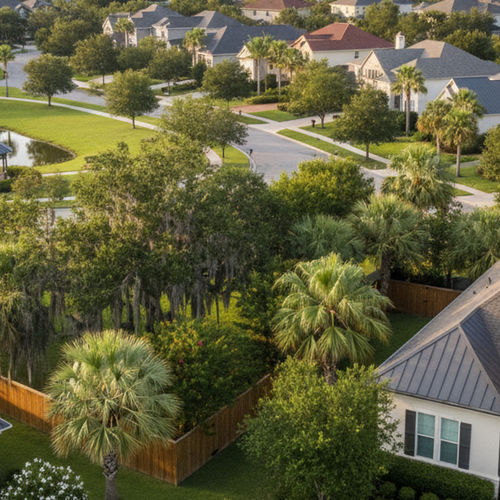
The St. Johns River and the Atlantic Ocean serve as the primary geographic dividers for neighborhoods of Jacksonville. Housing density varies drastically, transitioning from tightly packed urban condos to expansive lots shaded by mature oak trees. Selecting the right area depends entirely on your architectural preferences and your tolerance for commuting across the city's bridges.
Buyers should approach their property search by grouping neighborhoods into distinct geographic zones. The urban core offers historic preservation, while the eastern edge provides immediate access to sandy beaches and coastal recreation. My strongest recommendation is to secure short-term housing first, allowing you to physically drive these sprawling districts before committing to a 30-year mortgage.
Riverside and San Marco
Riverside and San Marco sit on opposite banks of the St. Johns River, just south of the downtown commercial districts. These districts are defined by their historic architectural styles, featuring dense concentrations of restored bungalows and Mediterranean Revival homes. Both areas offer highly walkable commercial corridors filled with independent coffeehouses, local restaurants, and boutique retail spaces.
Residents in these neighborhoods enjoy immediate proximity to downtown employment hubs and cultural landmarks like the Cummer Museum of Art and Gardens. The housing inventory here skews older, meaning buyers should anticipate higher maintenance costs and potential renovation requirements. However, the premium paid for this location secures a highly connected lifestyle rarely found in the outer suburbs.
The Jacksonville Beach Area
The coastal communities operate with a distinct identity separate from the inland metropolitan area. This zone is divided into Jacksonville Beach, Neptune Beach, and Atlantic Beach, each offering different zoning rules and housing densities. The real estate inventory here includes mid-rise condominiums, modern townhomes, and premium oceanfront single-family housing.
Living along the coast provides daily access to sandy beaches, surfing, and extensive outdoor recreation at sites like the Timucuan Ecological and Historic Preserve. Property values in these zip codes reflect the high demand for ocean proximity, with inventory moving quickly during the spring and summer markets. Homebuyers targeting the beaches must be prepared for higher insurance premiums due to wind and flood risk factors.
Education, Schools, and Commuting Routes
Evaluating the local infrastructure is a mandatory step for anyone planning a relocation to northeast Florida. The sheer size of the city dictates that your daily commute will heavily influence your overall quality of life. Understanding the layout of the highway system and the boundaries of the local school district will streamline your property search.
Traffic patterns in Jacksonville are heavily dictated by the bridges crossing the St. Johns River and the Intracoastal Waterway. Buyers must calculate their rush-hour drive times carefully, as a commute that looks short on a map can easily double during peak traffic. Securing a home on the same side of the river as your primary workplace is the most effective way to avoid daily gridlock.
Duval County Public Schools and Higher Education
Duval County Public Schools operates the primary and secondary education system for the entire county. The district features a variety of specialized magnet programs that focus on specific academic tracks like technology, arts, and advanced sciences. Buyers researching specific attendance zones should verify current boundaries directly with the district, as zoning can shift with new residential development.
The region also supports a strong network of higher education institutions that drive local academics and provide steady employment. The University of North Florida and Florida State College at Jacksonville serve as the primary anchors for degree programs and workforce training. These campuses create localized rental demand, making the surrounding neighborhoods viable targets for real estate investors.
Navigating the Commute: Highways and Transit
Owning a personal car is practically mandatory for navigating the 840 square miles of the city. The primary thoroughfares include Interstate 95 running north to south, Interstate 295 forming a beltway around the city, and J. Turner Butler Boulevard connecting the inland areas to the coast. Mastering these routes is essential for efficiently reaching the Jacksonville International Airport or the downtown commercial sectors.
While the Jacksonville Transportation Authority operates a regional bus network, public transport options remain limited compared to denser urban cities. The transit system works well for specific commuting corridors, but it lacks the comprehensive coverage needed for entirely car-free living. Homebuyers should prioritize garage space and secure parking when evaluating properties across the metropolitan area.
Frequently Asked Questions About Moving to Jacksonville, FL
Is it worth moving to Jacksonville, FL?
Relocating to Jacksonville offers a compelling balance of coastal amenities, steady employment, and a relatively accessible housing market. Residents benefit from a lack of state income tax and immediate access to outdoor recreation along the Atlantic Ocean. The value is strongest for buyers who prioritize square footage and geographic diversity over high-density, walkable urban living.
What salary do you need to live comfortably in Jacksonville?
A comfortable salary depends heavily on your specific housing choices and whether you intend to buy or rent. With median home prices hovering around $300,000 to $397,000, a household income between $85,000 and $100,000 generally provides a solid foundation for homeownership. The absence of state income tax allows more of your gross salary to be allocated toward housing and local investments.
What are the pros and cons of living in Jacksonville, FL?
The primary benefits include an affordable cost of living relative to other coastal markets, diverse employment sectors, and year-round access to sandy beaches. The most notable drawbacks are the extreme summer heat, the necessity of owning a car, and the sprawling commute times. Buyers must weigh the financial advantages of the area against the reality of navigating a massive, heavily decentralized city.
Check out this article next