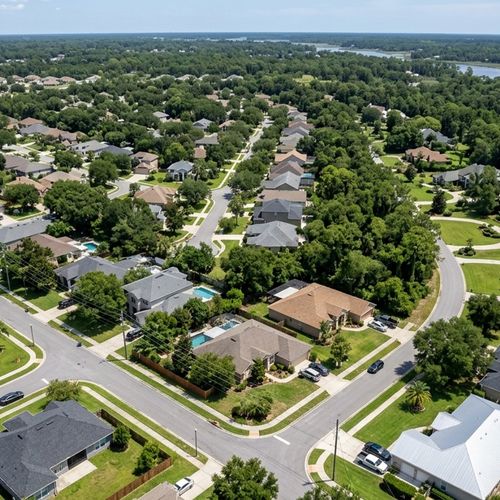

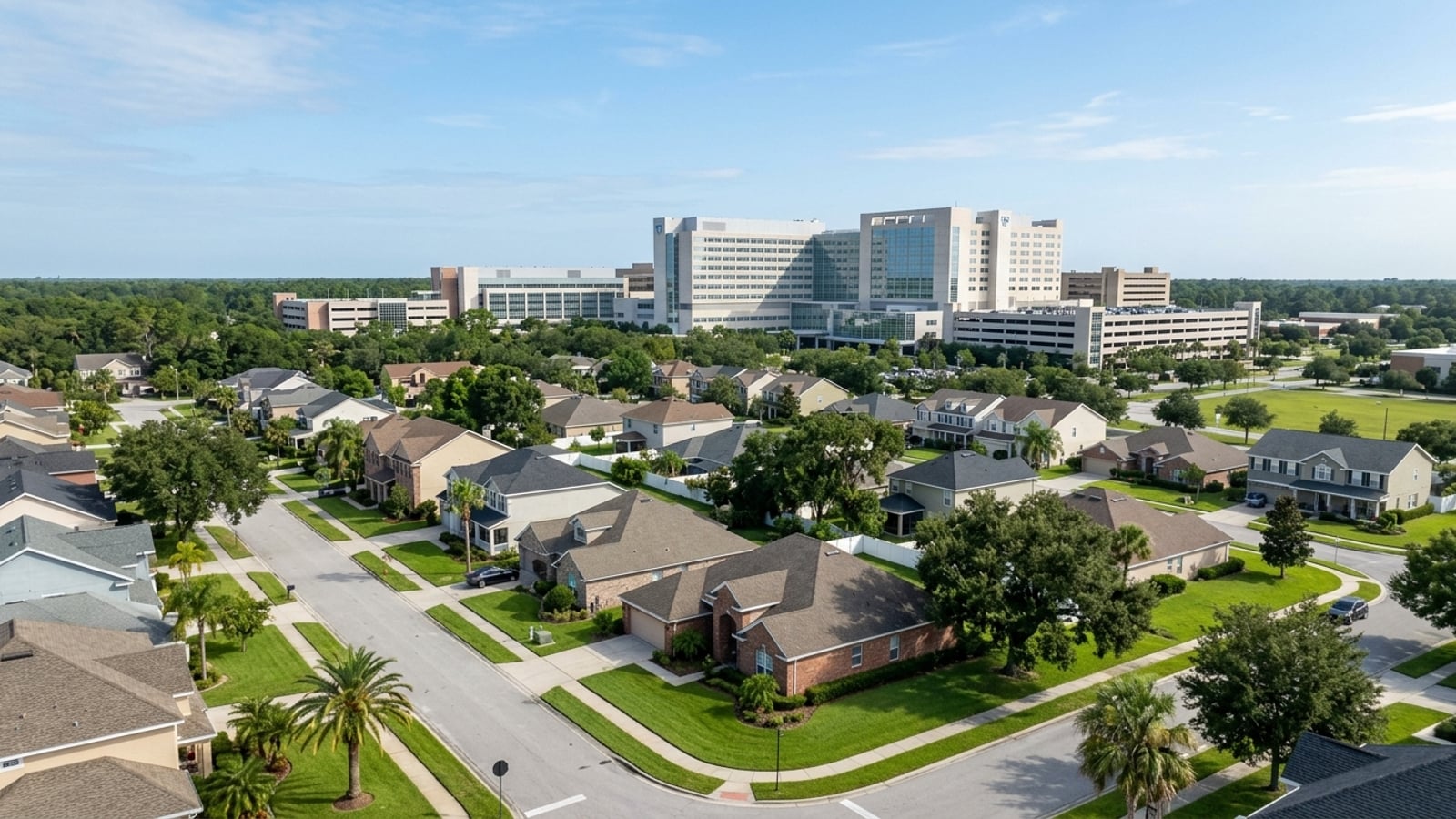
For anyone considering living in Jacksonville, the local real estate market currently holds around 4,227 available homes, with a median sale price of approximately $317,000. Homes spend roughly 59 days on the market before selling. If you're looking near a major medical center, you're already working with a distinct set of market conditions - and knowing that upfront saves you time.
Proximity to a healthcare hub shapes your daily commute, your parking situation, and your access to public transit. Before you fall in love with a listing, review the zoning and infrastructure surrounding whichever campus you're targeting.
Major Medical Centers in Duval County
Jacksonville functions as a serious regional healthcare hub - drawing patients and medical professionals from across the country. The city's medical infrastructure spans large academic campuses and specialized surgical centers, and those facilities aren't clustered in one spot.
Their locations dictate local traffic patterns and explain why housing demand behaves the way it does in certain pockets of Duval County.
Baptist Medical Center and UF Health
Baptist Medical Center Jacksonville sits downtown and ranks among the top regional facilities, known for high performance in colon cancer surgery, stroke care, heart failure, and neurosurgery. UF Health Jacksonville is also near the urban core - a major academic hospital with 695 beds. Both campuses employ thousands of people, which translates to consistent, ground-level housing demand in the surrounding blocks.
Mayo Clinic and Suburban Campuses
The Mayo Clinic in Florida operates a 602-acre campus in Jacksonville and draws international patients. U.S. News & World Report routinely rates it the number one hospital in the state. That's a different kind of demand driver than a community hospital.
Further south, Baptist Medical Center South serves the area's growing suburban populations. Buyers near these suburban campuses typically find different property styles than they would in the historic neighborhoods surrounding the downtown hospitals.
Housing Market Trends Near Medical Districts
Home prices in Jacksonville vary widely depending on the specific neighborhood and its proximity to major employers. The citywide average home value sits near $296,000, with a median sale price of roughly $317,000 - but properties adjacent to downtown medical centers don't always follow the citywide trend.
In ZIP code 32207, which surrounds Baptist Medical Center Jacksonville, the typical home value is roughly $277,000. The range within that ZIP code is striking: listings run from around $80,000 to over $5.7 million, which tells you this isn't a monolithic market.
Neighborhood Price Variations
San Marco, just south of the downtown medical campuses, averages home values around $474,000. The nearby South Riverside area comes in considerably lower, at approximately $265,000. Two neighborhoods, short distance apart, meaningful price difference.
Further south in ZIP code 32257, near Baptist South, average home values hover around $346,000. Pricing and inventory shift quickly from one street to the next in these areas, so pulling recent sales data for your specific target block matters more than leaning on neighborhood-wide averages.
Property Types and Availability
Medical professionals frequently gravitate toward condominiums and townhomes near the downtown campuses - smaller footprints, less exterior upkeep, and that matters when you're working long shifts. Single-family homes become more prevalent as you move toward the Mayo Clinic and Baptist South campuses.
Investors also pay attention to these medical districts. The steady flow of traveling nurses and medical residents creates a reliable rental pool that's harder to find in other parts of the city.
Daily Life Near a Healthcare Campus
Buying adjacent to a major medical center means accepting a specific set of trade-offs. One genuine benefit in Florida is priority power grid stability - neighborhoods sharing grids with hospitals tend to see faster storm response and fewer outages. That's not nothing, especially during hurricane season.
On the other side of the ledger: shift-change traffic and ambulance sirens are part of the deal. Visiting a property during morning and evening shift transitions gives you an honest picture of what daily congestion looks like, so build that visit into your schedule before making an offer.
Commuting and Public Transit
The Jacksonville Transportation Authority (JTA) buses and the Skyway metro both serve the downtown medical districts. Baptist Medical Center Jacksonville is on JTA bus routes 25, 8, and FCF, with a stop a short walk away at Palm Avenue and Prudential Drive.
UF Health Jacksonville connects to JTA bus routes 1, 21, 3, FCF, and Baker, plus the Skyway metro line at Jefferson Street and 8th Street. If you're working at Baptist Medical Center South, JTA bus route 84 stops directly outside the hospital.
Neighborhood Parking Regulations
Jacksonville enforces strict residential street-parking zones in the historic neighborhoods near the downtown hospitals. San Marco and Riverside residents apply for permits through the city's Office of Public Parking - required during peak hours, with fines up to $60 for overstaying posted limits.
City-wide, vehicles left in a single street spot beyond 72 hours are subject to towing. If you're touring homes in these areas, confirm off-street parking availability before you get attached to a listing. It's a detail that catches buyers off guard more often than it should.
Frequently Asked Questions
Which Jacksonville neighborhoods are best for buying a home near the Mayo Clinic?
The Mayo Clinic operates a 602-acre campus in Jacksonville. Specific adjacent neighborhood data isn't detailed here, but buyers should focus on areas offering direct campus access and check local property values - the citywide average runs around $317,000.
Does living close to major hospitals like Baptist Health or UF Health affect property values in Jacksonville?
Proximity to these hubs does influence local real estate markets. San Marco, near the downtown hospitals, maintains average home values around $474,000, while the broader 32207 ZIP code sits at roughly $277,000 - so the effect varies considerably depending on exactly where you're looking.
Where do most medical residents and hospital staff choose to live when relocating to Jacksonville, FL?
Medical staff often prioritize low-maintenance condos and townhomes near their specific campuses. Downtown workers frequently look at historic areas like San Marco or South Riverside; those at Baptist South tend to focus on ZIP code 32257.
What should homebuyers know about ambulance traffic and noise when buying near Jacksonville medical centers?
Frequent ambulance sirens and increased traffic during shift changes are part of daily life near these campuses. Visit the neighborhood during those peak transition windows before you make an offer - it's the most honest way to gauge what you're committing to.
Which 55+ communities in Jacksonville, FL offer the quickest access to top-rated hospitals?
The available market data doesn't identify which retirement communities in Jacksonville are closest to the major medical centers. Your best move is to map drive times from prospective communities to specific facilities like the Mayo Clinic or Baptist Medical Center directly.
Is buying an investment property near Jacksonville hospitals a good strategy for renting to traveling nurses?
Purchasing near medical districts can attract traveling nurses and medical residents. If you go that route, review local parking regulations carefully - areas like San Marco require residential permits during peak hours, and your tenants will need to secure those themselves.
Check out this article next