

Check out this article next

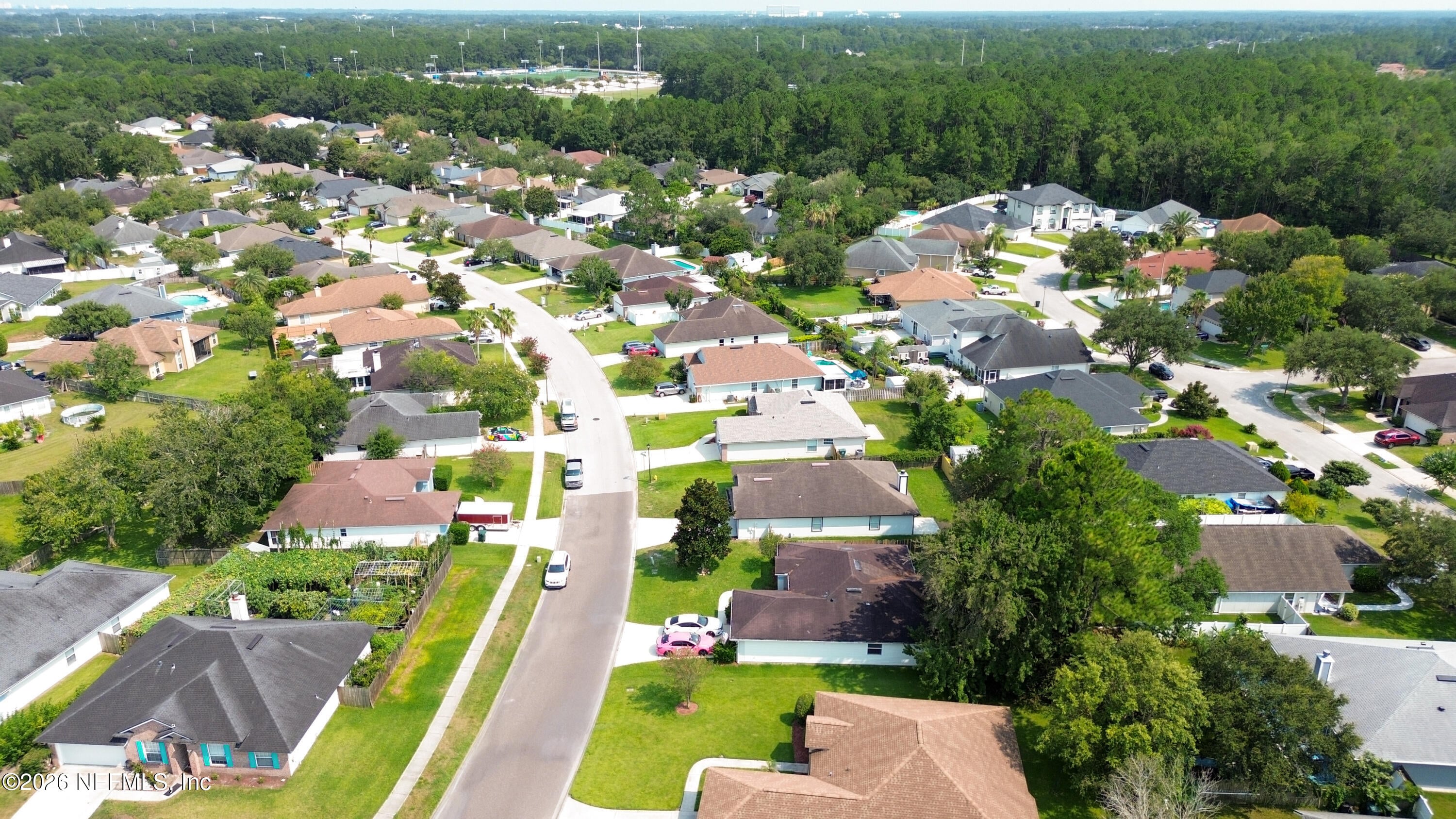
When it comes to real estate, location has always been a major factor in determining home value. But what many buyers and sellers don't realize is that home prices can vary significantly from one street to the next—even within the same neighborhood.
Two homes with similar square footage, layouts, and features may sell for different prices simply because of where they're located.
So, what makes certain streets more desirable, and why are buyers sometimes willing to pay a premium to live there?
1. Less Traffic Creates More Appeal
Quiet streets, cul-de-sacs, and roads with limited through traffic often attract buyers looking for privacy and a more peaceful environment.
Homes on these streets may offer less road noise, fewer passing vehicles, and a more comfortable setting for outdoor activities.
For families, retirees, and buyers who value tranquility, these features can make a property more appealing than a similar home on a busy road.
2. Curb Appeal Extends Beyond the Property
A home's appearance matters, but so does the appearance of the entire street.
Tree-lined roads, well-maintained landscaping, attractive homes, and consistent property upkeep can create a stronger first impression.
Buyers aren't just evaluating the house they're touring. They're imagining what it would feel like to live on that street every day.
A well-maintained streetscape can influence perceived home value and buyer demand.
3. Walkability and Convenience Add Value
Some streets offer easier access to parks, restaurants, shopping, schools, and neighborhood amenities.
A home within comfortable walking distance of everyday destinations may appeal to buyers who prioritize convenience and lifestyle.
Even within the same subdivision, properties closer to desirable amenities can attract more attention.
However, proximity matters differently depending on the buyer. Some prefer being near neighborhood activity, while others value greater separation and privacy.
4. Privacy and Lot Position Make a Difference
Not all lots within a neighborhood offer the same advantages.
Homes backing up to wooded areas, green spaces, or open land may provide greater privacy than properties facing neighboring houses.
Other desirable features can include:
- Larger lots or wider spacing between homes
- Limited visibility from neighboring properties
- Attractive natural views
- Minimal traffic and street noise
- Convenient but private locations
These details can help certain properties stand out, even when the homes themselves are similar.
5. Street Reputation Influences Buyer Perception
Some streets develop a reputation for attractive homes, mature landscaping, or a desirable atmosphere.
Over time, this perception can influence buyer interest and pricing expectations.
When properties on a particular street consistently attract strong offers, future sellers may benefit from that established demand.
However, a street's reputation alone doesn't guarantee a higher sale price. Property condition, market trends, and comparable sales still matter.
6. Micro-Locations Matter in Real Estate Pricing
Real estate professionals often evaluate micro-location, which refers to the specific position of a property within a larger neighborhood.
Factors such as traffic patterns, nearby commercial activity, street layout, lot orientation, and surrounding properties can influence a home's market value.
This explains why comparing homes based only on neighborhood averages may not provide an accurate picture.
A property on a quiet, landscaped street may compete differently from a similar home located along a busy neighborhood entrance.
What This Means for Homebuyers and Sellers
For buyers, understanding street-level differences can help determine whether a higher asking price reflects meaningful advantages.
For sellers, recognizing what makes your street desirable can help shape your pricing and marketing strategy.
Highlighting features such as privacy, walkability, attractive surroundings, and convenient access to amenities can help buyers understand a property's unique value.
Ultimately, the right pricing strategy should consider both neighborhood trends and the specific characteristics of your street.
Final Thoughts
Not all streets are created equal when it comes to real estate value.
Traffic, privacy, curb appeal, convenience, and buyer preferences can all influence why some homes command higher prices than others nearby.
Whether you're buying or selling, understanding these small location differences can make a big impact on your real estate decisions.
Wondering what your home's location means for its value? Our real estate team can help you evaluate local market trends, compare nearby properties, and make informed decisions.
Contact us today to learn more about buying or selling in your neighborhood!