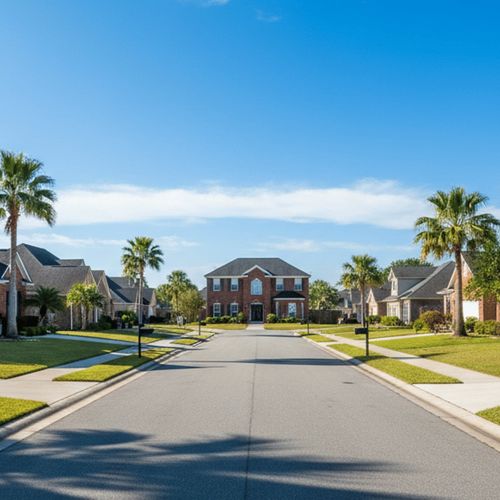

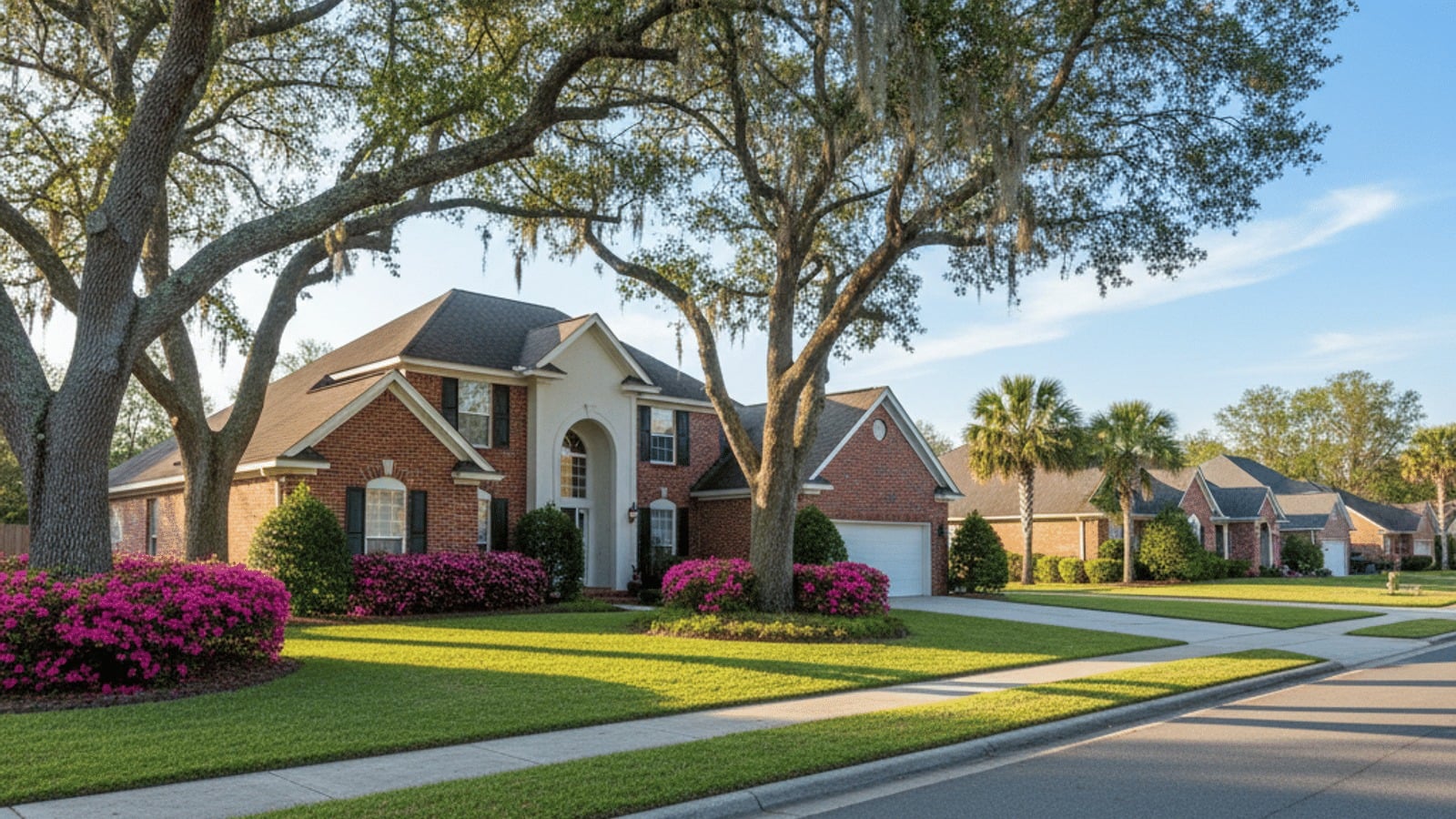
If you are looking to move to Florida’s largest city by area, you are probably wondering how far your dollar goes here. Whether you’re relocating from out of state or just hopping from one side of the St. Johns River to the other, getting a handle on housing costs is step one.
The good news for renters in February 2026 is that the market has shifted in your favor. After years of steep climbs, things are finally settling down. Here is a realistic look at what you can expect to pay for rent in Jacksonville right now, breaking down the numbers by unit size, neighborhood, and property type.
Current Average Rent in Jacksonville, FL (February 2026)
Let’s start with the big picture numbers. As of this month, the overall average rent in Jacksonville generally lands between $1,300 and $1,550 per month. Unlike the frenzied market of a few years ago, we are actually seeing a cooling trend. Prices have dipped slightly—about 1.4% to 1.9%—compared to where they were at the start of 2025.
When you stack this up against the rest of the country, Jacksonville remains a very attractive option. You are looking at costs that are roughly 20% lower than the national average, which is hovering well over $1,625. Of course, that average can fluctuate heavily depending on whether you are looking for a sleek downtown apartment or a sprawling suburban house.
- Average Rent Range: $1,300–$1,550 (varies by listing source)
- National Comparison: ~20% cheaper than the U.S. average
- Market Direction: Cooling slightly (prices are down just under 2% year-over-year)
If you are just starting your search, checking out a comprehensive Jacksonville city guide is a great way to orient yourself before diving into specific listings.
Average Rent by Apartment Size
While the overall average gives you a baseline, your actual budget depends entirely on how much space you need. Are you flying solo, or do you need room for a home office and a roommate?
Studios are your most budget-friendly entry point. If you are a student or a solo renter looking to save, you can find units dipping near the $1,000 mark. It’s a tight market, but deals exist if you aren't looking for luxury finishes.
One-bedroom apartments are the standard benchmark for young professionals in the area. You can expect to pay around $1,300 per month for a decent spot. This usually gets you into a complex with standard amenities, though pricing will jump if you look closer to the beaches or Riverside.
For those needing more space, two-bedroom units average around $1,528. This is often the sweet spot for value; if you split this with a roommate, your individual housing cost drops significantly compared to renting a one-bedroom alone.
Three-bedroom apartments sit at a significantly higher price point, averaging $1,883 or more. Once you reach this level, you are often paying as much as you would for a standalone house, so it’s worth comparing those options closely.
- Studio: ~$1,038/mo
- 1-Bed: ~$1,300/mo
- 2-Bed: ~$1,528/mo
- 3-Bed: ~$1,883+/mo
Apartments vs. Single-Family Homes: Price Differences
There is a distinct price gap between managing a lease in a large apartment complex and renting a private single-family home. Apartments generally offer lower monthly rents and bundle in perks like pools, fitness centers, and maintenance teams.
Single-family homes (SFH) command a premium for the privacy and yard space they provide. You should budget for an average closer to $1,750 and up. If you are hunting for a nice home in a desirable suburb—perhaps somewhere with a two-car garage and a fenced yard—the "sweet spot" is typically $1,700 to $2,500.
Demand for these homes has remained high. With current interest rates keeping many would-be buyers in the rental market, competition for houses for rent in Jacksonville is stiffer than it is for apartments. If you have pets, this extra cost is often unavoidable, though you can find pet-friendly rentals in Jacksonville across both property types.
Rental Costs by Neighborhood
Jacksonville is huge—it is the largest city by land mass in the contiguous U.S.—so "average rent" can mean very different things depending on your zip code. You will see a sharp divide between the coastal communities and the older inland neighborhoods.
Most Expensive Areas: If you want the ocean breeze, you will pay for it. Coastal communities like Beach Haven and upscale suburbs like Greenland or Forest Trails frequently see rents exceeding $2,000 per month. These areas offer proximity to the water or newer construction, driving up the price tag.
Most Affordable Areas: On the flip side, older neighborhoods offer significant savings. Areas like Woodland Acres and Jacksonville Heights currently have rentals averaging closer to $1,100. These spots are functional and affordable, often attracting those prioritizing budget over luxury amenities.
Mid-Range Options: For a balance of lifestyle and cost, many renters look to the Southside or San Marco. These areas are popular landing spots for professionals because they offer decent commutes and plenty of dining options without the extreme price premiums of the beach.
- Affordable: Woodland Acres (~$1,086), Jacksonville Heights (~$1,106)
- Premium: Greenland (~$2,018), Forest Trails (~$2,137)
Beyond the Rent: Utilities and Fees
When calculating your cost of living in Jacksonville, you can't just look at the rent check. You need to factor in the monthly overhead, which can surprise newcomers.
For electricity and water, most residents deal with JEA (Jacksonville Electric Authority). Energy bills here typically average between $176 and $210 per month. While that might sound high if you are coming from a mild climate, it is actually slightly lower than the national average. Remember, Florida AC runs hard in the summer, which spikes that bill.
Parking is usually a non-issue in the suburbs where driveways and surface lots are free. However, if you choose a high-rise downtown or a dense area like Riverside, you might face parking garage fees of $100 to $150 per month.
Don't forget the move-in fees. Pet deposits generally range from $200 to $400, often accompanied by a small monthly "pet rent." Application and administrative fees will likely set you back another $50 to $100 per person.
2026 Rental Market Trends & Outlook
So, where is the market heading for the rest of the year? As we move through 2026, the trend lines look promising for tenants.
We are currently in a cooling market. Rents have decreased slightly year-over-year, making this a better environment for negotiating a lease than we saw back in 2023 or 2024. A surge in new apartment construction has increased inventory, forcing landlords to compete a bit more for qualified tenants.
Seasonality plays a role too. We are in the winter months (January and February), which historically see the lowest prices of the year. If you can lock in a lease now, you will likely get a better rate than if you wait for the peak summer moving season.
Finally, the "Rent vs. Buy" math still heavily favors renting. With interest rates and insurance costs where they are, renting remains the more affordable financial option for many residents. The income premium required to buy a home right now is significantly higher than the income needed to rent a similar property.
Frequently Asked Questions
Is rent expensive in Jacksonville, FL?
Compared to other major Florida hubs like Miami or Orlando, Jacksonville is relatively affordable. While prices have risen over the last five years, it remains about 20% cheaper than the national average, offering big-city amenities at a lower price point.
How much do utilities cost in Jacksonville?
You should budget between $176 and $210 per month for utilities through JEA. This covers electricity, water, and sewer for an average-sized apartment, though costs will be higher for single-family homes or during the peak heat of summer.
What is a good salary to live in Jacksonville?
Most landlords require a gross income of three times the monthly rent. If you are aiming for an average apartment at $1,300, you would need a salary of roughly $47,000 per year to meet the standard approval criteria comfortably.
Check out this article next