

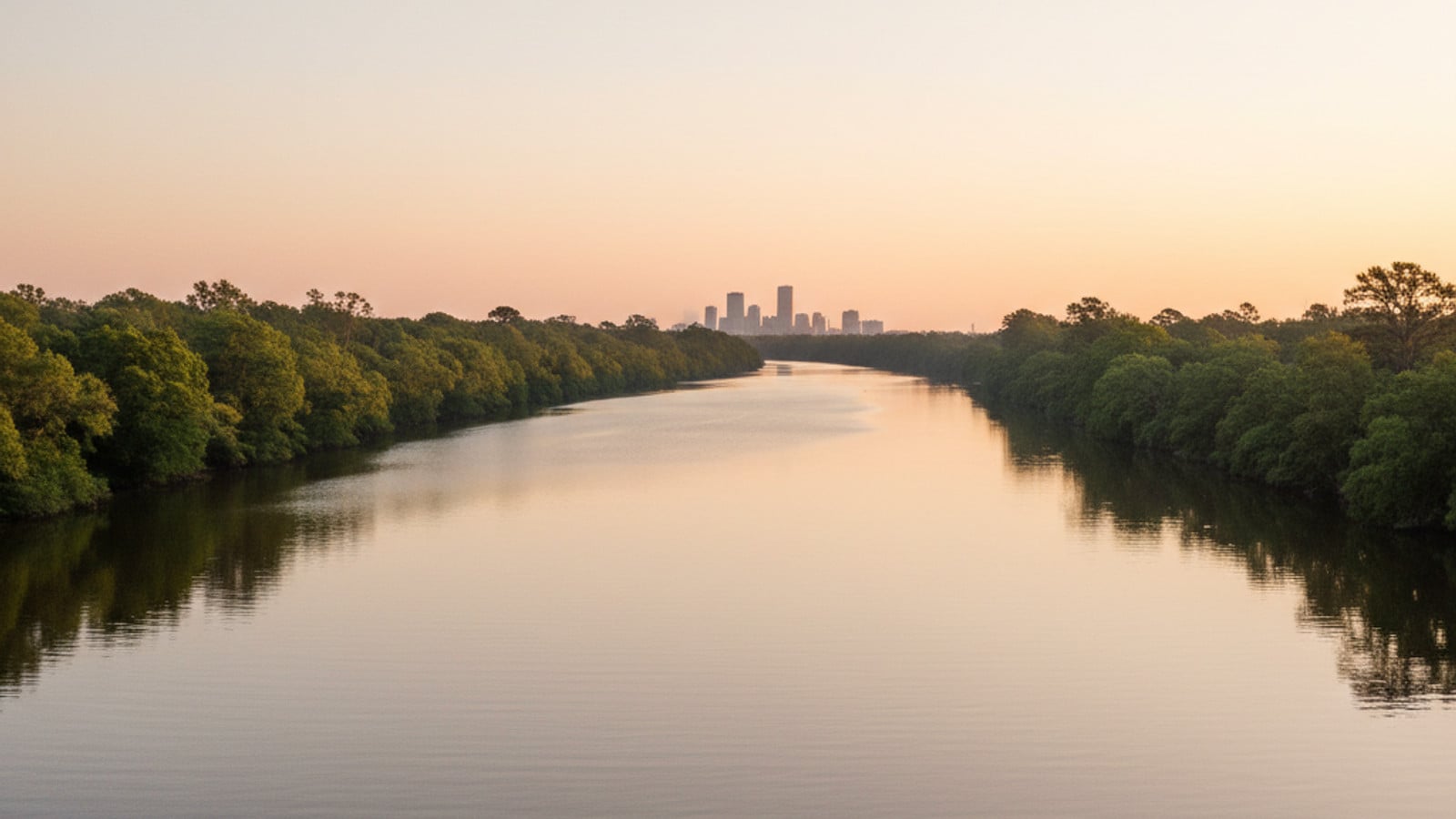
If you’re thinking about moving here, I know exactly what you’ve probably seen online. For years, Jacksonville held onto a tough reputation, often labeled with headlines that made prospective buyers nervous. But if you are looking at data from five years ago, you are looking at a completely different city.
Let’s be real about the numbers. We have seen a historic shift in safety over the last two years. In 2025 and heading into 2026, Jacksonville experienced a massive drop in violent crime. We’re talking about a near 50% year-over-year reduction in homicides—dropping from around 158 in 2023 to roughly 82 in 2024. Sheriff T.K. Waters has been vocal about shedding that old "murder capital" label, and the stats finally back that up.
However, safety here is nuanced. It’s not just about crime; it’s about geography. Jacksonville is the largest city by land area in the contiguous U.S., which means looking at a single city-wide crime rate can be misleading. When you are considering living in Jacksonville FL, you have to look at the specific neighborhood, not just the city-wide average.
Understanding Jacksonville's Geography & Crime Data
To understand the safety data, you first have to understand the map. Jacksonville operates as a Consolidated City-County. This means the city limits are essentially the county limits of Duval County.
In most other metros, like Miami or St. Louis, the "city" is a small urban core, and the safer suburbs are legally separate towns with their own police stats. In Jacksonville, the urban core, the rural wetlands, the beach towns, and the suburban master-planned communities are (mostly) counted in one giant pot. We cover over 800 square miles.
Because of this consolidation, our crime rate includes areas that would be considered "outside city limits" in other regions. This dilutes the density but can also make the total volume of incidents look higher than a smaller city. When you look at the numbers, remember that a crime happening 20 miles away on the Northside has virtually zero impact on your daily life in a neighborhood like Mandarin.
Jacksonville Crime Statistics Breakdown (2026)
When we sit down with buyers to look at the numbers, we usually break it down into violent crime versus property crime. While the trends are moving in the right direction, it’s important to stay aware of your surroundings.
Violent Crime While still slightly above the national average, the trend line is undeniably pointing down. The most significant improvement has been in gang-related activity, which saw a massive drop—early 2026 data recorded only a single gang-related homicide in the reporting period. The Sheriff's Office targeted enforcement strategies are working, specifically in the areas that needed it most.
Property Crime This is the most common risk you will face here, specifically car break-ins. This is largely a crime of opportunity. In many neighborhoods, "crime waves" often amount to teenagers checking unlocked car handles at night. The advice is simple: lock your doors and don't leave valuables in plain sight.
The "North vs. South" Divide There is a distinct geographic split in the data. Crime is highly concentrated in specific pockets.
Northwest Quadrant: The risk of victimization here is statistically higher (roughly 1 in 38).
Southside/Southeast: The risk drops significantly (roughly 1 in 111).
Environmental Safety: Hurricanes & Flooding
If you are moving from out of state, you might be focused on theft, but locals know the real threat comes from the water. In Florida, "safety" includes flood zones.
Hurricane Risk For decades, Jacksonville relied on the "curve"—storms historically turned away from us before making landfall. However, recent years have taught us not to rely on luck. Hurricane Milton in October 2024 was a prime example. While it was technically a "near miss" for a direct hit, the impact was still felt across the region.
River Flooding vs. Beach Surge This is the most important thing to understand about our water: The St. Johns River flows north. When a hurricane approaches, the winds can push water down the river, preventing it from draining into the ocean. This causes the river to back up like a clogged bathtub.
During Milton, we saw record flooding in tributaries like Deep Creek. If you are looking at Florida Hurricane Preparedness, check the flood zone maps carefully. You don't have to live at the beach to flood; a home along a river creek 15 miles inland can sometimes be more at risk than a condo at the oceanfront.
Safest Neighborhoods in Jacksonville for Families
When clients ask me where they can find quiet streets and a strong sense of community, a few areas always rise to the top of the list. These neighborhoods generally boast high safety scores and established amenities.
Deercreek / Deerwood: These are gated, country-club style communities on the Southside. They are affluent, strictly managed, and have some of the lowest crime rates in the entire county—often rated safer than 85-90% of U.S. neighborhoods.
Mandarin: Located in the southern part of the city, Mandarin is famous for its historic oak trees and river views. It has a very distinct, leafy suburban feel and consistently lower crime rates than the urban core.
The Beaches (Neptune & Atlantic Beach): While these areas are busy with foot traffic and tourism, they have their own police forces and a very tight-knit community vibe. They are generally very safe, though you do get the typical "busy weekend" petty crime.
East Arlington / Greenland: If you are looking for Best Neighborhoods in Jacksonville that are more affordable than the gated communities but still offer safety, these areas are solid choices.
Areas to Exercise Caution
As a local expert, I believe in being objective. There are areas in Jacksonville where crime density is significantly higher, and I always advise clients to drive these neighborhoods at different times of day to see how they feel.
The Northwest Quadrant Historically, the zip code 32209 and surrounding areas along the Moncrief corridor have the highest density of violent crime calls. While the city is investing heavily in these areas to revitalize them, the statistics currently reflect a higher incident rate here than in the rest of the county.
Downtown Jacksonville Downtown is a bit of a mixed bag. During the day, it is the business hub—filled with workers, court staff, and lunch crowds. It feels perfectly fine. However, late at night, once the offices close, parts of Downtown can feel very desolate. Without a massive residential population to keep "eyes on the street," you should exercise caution and stick to well-lit areas near venues and hotels.
Is Jacksonville Safe for...?
We get specific questions from different types of buyers, so let’s look at safety through a few different lenses.
Tourists & Nightlife Lovers If you are heading out for the night, the popular districts like Riverside, Avondale, and the Beaches are generally safe and vibrant. Like any major city, stick to your group and use rideshare apps like Uber or Lyft rather than walking long distances alone late at night.
Diverse Communities Jacksonville has a deep, rich African American heritage, particularly in historically significant neighborhoods like LaVilla. While trust is still being rebuilt in some sectors, many areas are incredibly welcoming. The Northside has beautiful heritage neighborhoods that are community-focused, and Arlington is known for being one of the most diverse suburbs in the city.
Students (UNF/JU) The University of North Florida (UNF) is tucked away in a nature preserve on the Southside and is extremely safe. Jacksonville University (JU) is located in Arlington; while the campus itself is secure and gated, the surrounding neighborhoods can vary street by street, so it's worth touring the area first.
Frequently Asked Questions
Is Jacksonville safe from Hurricane Milton?
While Jacksonville avoided a direct Category-level hit from Hurricane Milton in 2024, the city experienced significant tropical storm impacts. The primary safety issue was not wind damage to structures, but major river flooding in low-lying areas and tributaries of the St. Johns River.
Is Jacksonville safer than Tampa or Orlando?
Generally, Jacksonville is more affordable than both, but safety comparisons are tricky. Jacksonville tends to have a slightly higher violent crime rate per capita than Tampa, but lower tourist-related theft rates than Orlando. However, because Jacksonville is so spread out, your day-to-day experience in a suburb here is very comparable to the safer suburbs of Tampa.
Is it safe to walk in Downtown Jacksonville at night?
It depends on where you are. The areas around the performing arts center and major hotels are generally fine during events. However, quiet blocks can feel empty and unmonitored late at night. It is usually smarter to drive or rideshare between destinations downtown after dark rather than walking alone.
What is the safest part of Jacksonville to live in?
Statistically, the "Southside" area (specifically gated communities like Deerwood) and the Beaches (Atlantic and Neptune Beach) consistently rank as the safest parts of the city. If you are looking for a Moving to Jacksonville Guide, these are the areas that usually top the "low crime" lists.
Check out this article next