

Your home may be your biggest financial asset, but once you decide to sell, you’ll quickly find it can be quite the emotional journey. After all, you’re not just leaving a property, you’re saying goodbye to a place full of memories: where you raised your family, hosted holidays, and lived so much life. ❤️
Here are a few suggestions to help make this transition a little easier:

1. Shift Your Mindset
Start thinking of yourself not as a “homeowner” but a “home seller.” This small shift can help you adopt a more objective mindset, and view the home as a product that others will (hopefully) fall in love with.
Give yourself time. It’s okay to ease into it. Talk to friends who’ve sold, read stories online, and prepare mentally for what’s ahead. The more informed and ready you feel, the smoother the process will be. Our job is to provide you lots of relevant, tried and true tips and information, so the process feels like less of an unknown.

2. Depersonalize Early
Take down family photos, personal keepsakes, and anything that says you live here. Doing this early helps buyers imagine the home as theirs, and it doubles to help you begin letting go.
Even changing your favorite paint color or rearranging furniture can help create a sense of emotional distance. And remember: the memories stay with you, not the walls.

3. Redefine “Home”
“Home is where the heart is.” Whether it's your family, friends, or pets - they are what make a home. Take photos, share memories, and celebrate the moments that mattered. You’re not losing your home, you’re bringing its spirit with you.

4. Focus on Your “Why”
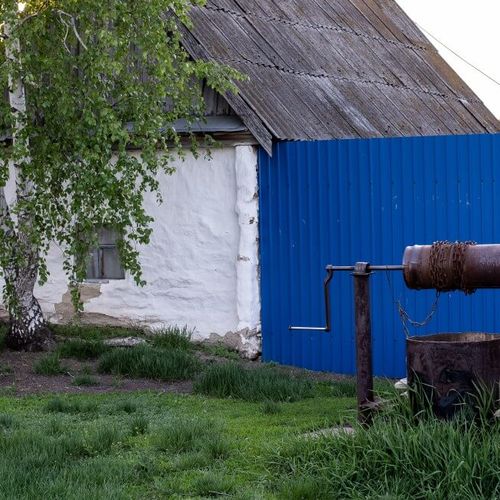
A properly functioning well shouldn’t have problems with contamination, but aging or failing parts can result in the water getting polluted. Some of the most common concerns include radon, arsenic, and uranium. Preventative maintenance can greatly reduce the risk of your water getting contaminated. You can also improve your water quality by installing a reverse osmosis filtration system, which reduces contaminants and improves the taste of your drinking water.
Check out this article next