

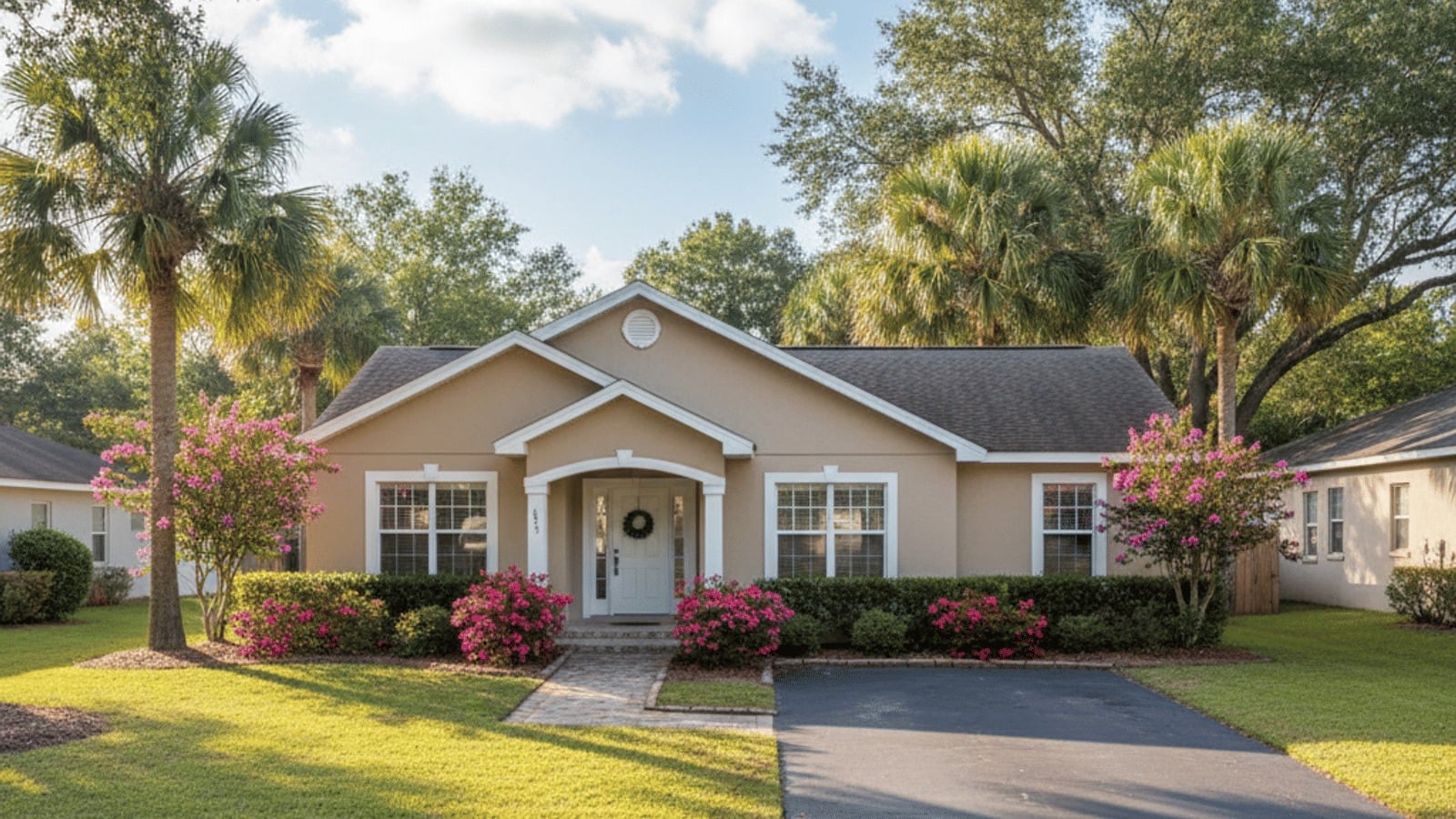
If you are thinking about putting your house on the market this year, you have probably noticed that things feel different than they did a few years ago. We have officially moved past the chaotic frenzy where sticking a sign in the yard meant multiple offers by sundown. In early 2026, the Jacksonville real estate market has settled into a more balanced rhythm that is frankly healthier for everyone, though it requires a bit more strategy from sellers.
Inventory levels have risen across Duval County, meaning buyers actually have choices again. Because of this competition, homes are sitting on the market a little longer—typically anywhere from 45 to 79 days on average depending on the neighborhood. It is not a crash, it is just a return to normalcy.
The good news is that prices have stabilized rather than dropped off a cliff. The median sales price is holding steady in the mid-$300,000 range, and with interest rates settling around 6%, we are seeing serious buyers come back to the table. However, because these buyers are more cost-conscious, realistic pricing is absolutely non-negotiable if you want to see a sold sign.
Step 1: Choose Your Selling Method
Before you start packing boxes, you need to decide which route makes the most sense for your timeline and financial goals. Most sellers in Jacksonville generally choose between three main paths, and each has its own set of trade-offs.
Real Estate Agent: Hiring a local professional is still the best route for maximizing your final sale price. In a slower 2026 market, you need expert marketing to stand out against the increased inventory. An agent handles the heavy lifting of negotiations and paperwork, which is critical when buyers are asking for repairs and concessions.
Cash Investors / iBuyers: If speed is your only priority, selling to a cash buyer can get you to the closing table in as little as 7 to 14 days. This is often a good solution for distressed properties or if you need to move immediately. The downside is the cost; you should expect offers to be 20% to 30% below market value for the convenience.
FSBO (For Sale By Owner): Selling on your own saves you the listing commission, but it requires significant effort. You will be responsible for pricing, marketing, and legal disclosures. Be warned that in a buyer-friendly market, negotiating without access to real-time market data can be difficult, and you might end up netting less than if you had hired a pro.
Step 2: Time Your Listing for Maximum Exposure
Timing is everything in real estate, and Jacksonville has a distinct seasonal rhythm. If you have the luxury of choosing when to list, aiming for the "Goldilocks" window can make a big difference in how many people see your home.
Peak Season: March, April, and May remain the prime months to list. The weather is beautiful—pre-summer heat—and buyers are active after the holiday lull. Homes listed in this window tend to show better and move faster.
The School Cycle: Many buyers are looking to close on their new home by July or August so they can settle in before the Duval County school year begins. Listing in the spring aligns perfectly with this timeline, allowing buyers to handle inspections and financing before the summer rush ends.
Dates to Avoid: Try to avoid listing from late November through December, as the holidays naturally distract buyers. It is also wise to avoid the peak of hurricane season in late August and September if possible, as storm threats can pause showings and delay closings.
Step 3: Pricing Strategy in a Competitive Market
Pricing your home correctly from day one is the single most important decision you will make. In 2026, the strategy of "testing the market" with a high price is dangerous.
You need to rely on a Comparative Market Analysis (CMA) rather than online estimates. Automated values often miss the nuances of specific street-by-street values in older Jacksonville neighborhoods. A CMA looks at what similar homes specifically sold for in the last 3 to 6 months, giving you a grounded number to work with.
Overpricing is the quickest way to stigmatize your listing. When inventory is high, a home that sits for 60 days without an offer makes buyers wonder what is wrong with it. Once that happens, you usually end up chasing the market down with price cuts that look desperate.
The smartest play right now is to price slightly below the most recent comps. This strategy tends to generate more traffic and can even spark multiple offers, rather than pricing high to "leave room for negotiation," which often just scares buyers away entirely.
Step 4: Prepare Your Jacksonville Home for Sale
Florida homes face specific wear and tear that you need to address before a buyer spots them. We are not just talking about fresh paint; we are talking about the systems that handle our climate.
The "Must-Haves": Your AC unit is the heart of the home here; have it serviced and clean the ducts. Buyers will also immediately ask about the roof age. If your roof is over 15 years old, buyers may struggle to get insurance, so be prepared for that conversation. Also, make sure your pest control is up to date and that your termite bond is transferable.
Curb Appeal: Our humidity makes mildew grow fast on vinyl siding and driveways. A thorough power wash can make a $350,000 house look brand new. Fresh mulch and trimmed palms go a long way in making that first impression count.
Staging: Inside, the goal is to make spaces feel large and cool. De-clutter aggressively to open up the rooms. During showings, keep the AC running at a comfortable temperature—nobody wants to buy a hot, stuffy house in Florida.
Step 5: Marketing to Today's Buyers
Most buyers will see your home on a phone screen before they ever drive past it. Your digital presence has to be flawless to get them off the couch and into your driveway.
Professional photography is non-negotiable. You want bright interiors and blue skies—gray, dimly lit photos are an instant "scroll past." Virtual tours and 3D walkthroughs have become standard expectations for buyers who might be relocating from out of state and narrowing down their list remotely.
Beyond the house itself, your marketing should sell the lifestyle. Highlight the location perks that matter to locals, whether that is an easy commute to NAS Jacksonville, a short drive to the Beaches, or weekends spent at the St. Johns Town Center.
Step 6: Navigating Offers and Seller Concessions
When an offer finally lands in your inbox, it might look a little different than offers did a few years ago. In this 2026 landscape, buyers are looking for help with affordability.
It is very common to see requests for Rate Buydowns or Closing Cost Credits. Buyers often ask for these concessions—averaging around 2% of the sale price—to lower their monthly mortgage payment or keep cash in their pocket for repairs. Don't be offended; just run the math.
Instead of focusing solely on the top-line offer price, look at your net proceeds. A higher offer with a concession might actually net you the same as a lower cash offer, but with better terms. Also, while the "As-Is" contract is standard in Florida, do not expect it to mean "no repairs." If an inspection uncovers major issues like a leaking pipe or electrical faults, buyers will still ask for credits or repairs.
Step 7: Understanding Seller Closing Costs in Duval County
One of the biggest shocks for sellers can be the final settlement statement. It is smart to know exactly where your money is going so you aren't surprised at the closing table.
Total Estimate: Generally, you should budget between 7% and 9% of the sale price for total closing costs and commissions. On a $350,000 home, that is a significant chunk of equity, so plan accordingly.
Commissions: This is usually the largest portion, typically running 5% to 6% of the sale price, which is split between your listing broker and the buyer's broker. This fee pays for the marketing, legal coordination, and negotiation expertise.
Doc Stamps on Deed: Florida charges a transfer tax on real estate transactions. The rate is $0.70 per $100 of value. For example, on a $300,000 sale, the doc stamps would cost you $2,100.
Title Insurance: Local custom matters here. In Duval County, it is customary for the SELLER to pay for the owner's title insurance policy. This differs from South Florida (like Miami), where the buyer often pays. This policy protects the buyer against past title defects and is a standard expectation in our local contracts.
Other Fees: You will also see smaller administrative fees. These include the title search (around $200), a Municipal Lien Search (around $150), and if you are in a community with an HOA, an Estoppel fee ($250 to $500) to verify you are current on dues.
Step 8: The Closing Process
Once you have navigated inspections and financing, the finish line is in sight. The closing process in Florida is generally straightforward, but there are a final few steps to clear.
Usually 24 hours before closing, the buyer will do a final walkthrough. They are checking to make sure the property is in the same condition as when they offered and that any agreed-upon repairs were completed.
On the big day, you will sign a stack of documents transferring ownership. In 2026, you often don't even need to be at the title office physically; mobile notaries or remote signing options are widely available. Once the county records the deed and the funds are dispersed, you hand over the keys and the house is officially sold.
Frequently Asked Questions About Selling in Jacksonville
How much does it cost to sell a house in Jacksonville, FL?
You should estimate your total costs to be between 7% and 9% of your final sale price. This includes agent commissions (usually 5–6%), the state documentary stamp tax ($0.70 per $100), and title insurance, plus minor administrative fees.
Do I have to pay for the buyer's title insurance in Duval County?
Yes, in Duval County and most of Northeast Florida, it is customary for the Seller to pay for the Owner’s Title Insurance Policy. This is different from other parts of the state, so ensure your net sheet calculations account for this expense.
How long does it take to sell a house in Jacksonville in 2026?
With inventory levels higher this year, the average time to sell has extended. You should plan for your home to be on the market for about 50 to 80 days from listing to closing, depending on your price point and neighborhood condition.
Can I sell my house "as-is" in Florida?
Yes, the "As-Is" contract is the standard contract used for residential sales in Florida. However, this does not relieve you of the legal obligation to disclose known defects, and buyers can still cancel the contract during the inspection period if they find issues they don't like.
Check out this article next