

Check out this article next
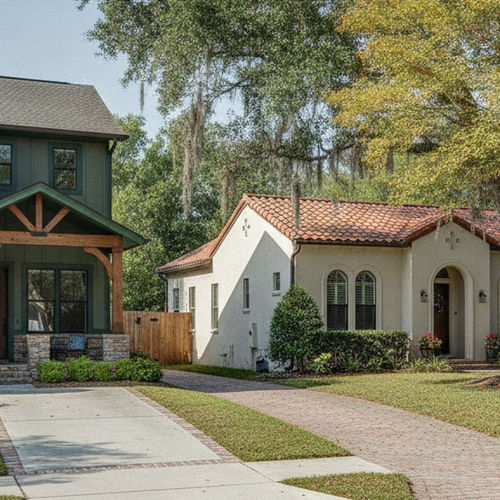
For decades, curb appeal was all about what buyers saw when they pulled up to a home.
Fresh landscaping, a clean driveway, a freshly painted front door, and a well-maintained exterior could make a powerful first impression before buyers ever stepped inside.
But today's buyers rarely experience a home's curb appeal from the street first.
They experience it on a smartphone.
In fact, most buyers begin their home search online, scrolling through listings while sitting on the couch, waiting in line, or taking a break at work. This shift has fundamentally changed how homes are marketed and sold.
Today's curb appeal is digital.
And if your listing doesn't make a strong impression on mobile devices, buyers may never schedule a showing—regardless of how beautiful the home looks in person.
The Mobile-First Home Search Has Changed Everything
Modern buyers have access to hundreds of listings with a few taps of their thumb.
They can compare homes, prices, neighborhoods, and features in seconds.
This convenience has created a highly competitive environment where every listing is fighting for attention.
Unlike traditional home shopping, buyers aren't spending several minutes evaluating each property. Instead, they're rapidly scrolling through photos and making quick decisions about which homes deserve a closer look.
The result?
Your listing often has just a few seconds to make an impression.
If it fails to capture attention immediately, buyers move on to the next property.
Why First Impressions Happen Online
Before a buyer ever drives through a neighborhood or attends an open house, they've already formed an opinion about your home.
That opinion is based on:
- Listing photos
- Property descriptions
- Price positioning
- Video tours
- Social media promotion
- Search results
These digital elements create the first emotional connection between a buyer and a property.
A listing that feels polished, attractive, and professional encourages buyers to learn more.
A listing that feels outdated or poorly presented often gets ignored.
Your First Listing Photo Is Your New Front Door
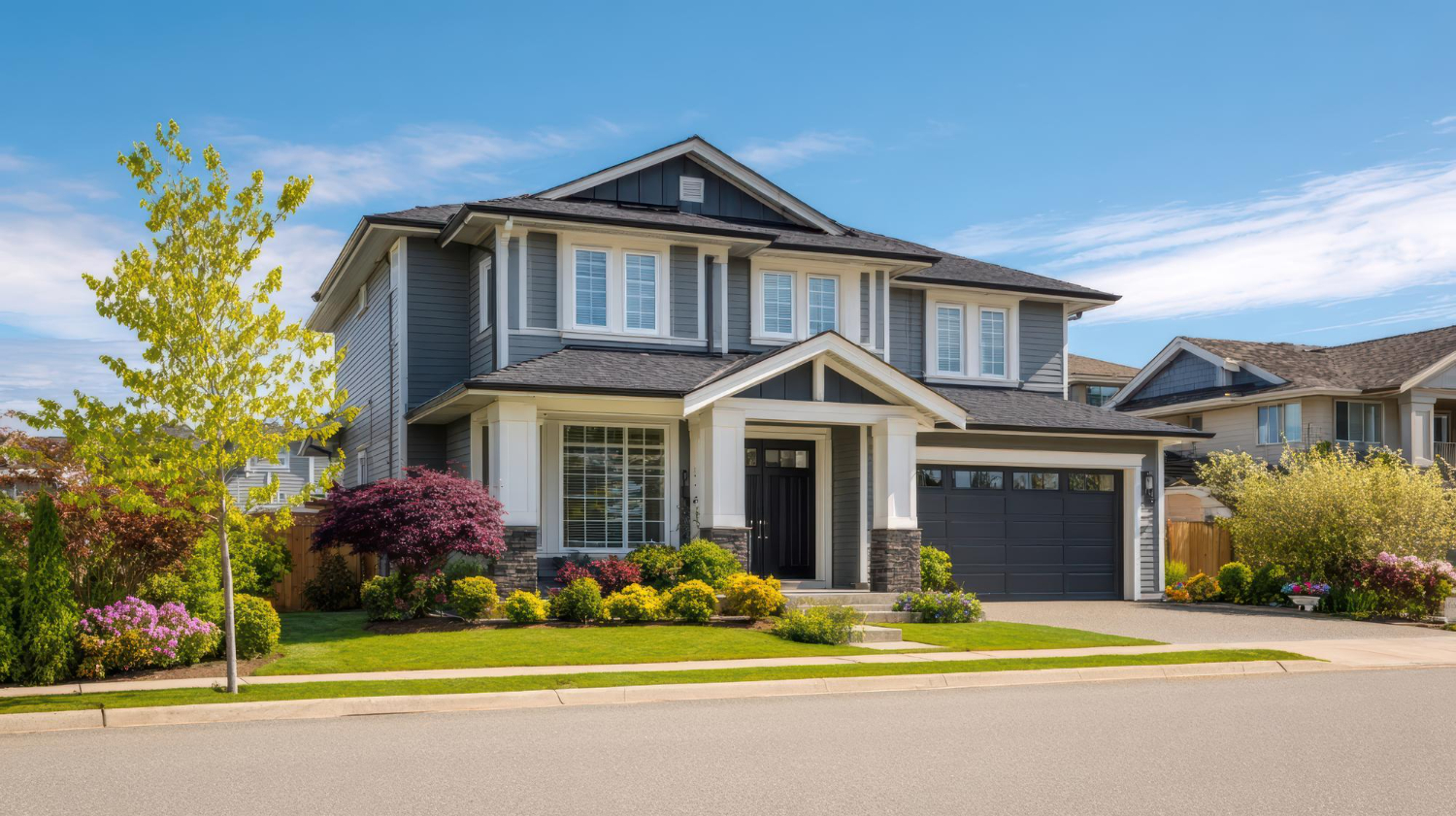
The primary photo is arguably the most important piece of real estate marketing today.
Think about how buyers browse listings on mobile devices. They see a grid of homes, each competing for attention.
If your first image doesn't stand out, buyers may never click on the listing.
Strong primary photos typically feature:
- Bright natural lighting
- Clear, professional composition
- Attractive landscaping
- Strong curb appeal
- Minimal distractions
A great first photo increases clicks, while a weak one can dramatically reduce interest.
Professional Photography Is No Longer Optional
Many sellers still underestimate the impact of professional photography.
However, high-quality images can significantly influence buyer behavior.
Professional real estate photography helps:
- Increase listing engagement
- Improve online visibility
- Generate more showing requests
- Create stronger first impressions
- Showcase the home's best features
Since buyers are viewing homes on smaller screens, every image must be sharp, well-lit, and carefully composed.
The difference between professional photography and smartphone snapshots can be the difference between a showing and a skipped listing.
Mobile Buyers Want Simplicity
Buyers scrolling on their phones are looking for information quickly.
They want to understand:
- What the home looks like
- Why it's unique
- Whether it fits their needs
- Whether it's worth scheduling a tour
That means listings should be easy to navigate and visually appealing.
Cluttered photos, lengthy descriptions, and poor image quality create friction that causes buyers to move on.
The easier you make it for buyers to engage with your listing, the better your results will be.
The Role of Staging in Digital Marketing
Home staging isn't just about open houses anymore.
It's about helping a property photograph better.
Well-staged homes create cleaner images, stronger focal points, and more inviting spaces.
Staging helps buyers imagine themselves living in the home, which increases emotional engagement.
Even simple improvements such as decluttering, rearranging furniture, and adding neutral décor can make a significant difference online.
Pricing Impacts Digital Performance
Many sellers think pricing only affects negotiations.
In reality, pricing also impacts visibility.
Buyers often search within specific price ranges. If a home is priced slightly above a common search threshold, it may never appear in front of qualified buyers.
Strategic pricing can:
- Increase search exposure
- Generate more listing views
- Attract more showings
- Create stronger buyer interest
The right price helps your home compete effectively in a crowded online marketplace.
Why Listings That Win Online Often Sell Faster
The homes that generate the most activity typically share a few common traits:
- Professional photography
- Strong mobile presentation
- Effective pricing
- Clean, well-staged interiors
- Compelling marketing descriptions
- Consistent online promotion
These listings create excitement before buyers ever step foot inside.
More attention often leads to more showings, stronger offers, and faster sales.
Final Thoughts
The definition of curb appeal has changed.
While maintaining your home's exterior is still important, today's first impression happens on a screen—not from the street.
That's why sellers must think beyond traditional curb appeal and focus on digital presentation.
Professional photography, strategic pricing, staging, and mobile-friendly marketing all play critical roles in helping a listing stand out.
Because in today's market, your home doesn't just need to look good from the curb.
It needs to stop the scroll.