
The Jacksonville median home sale price sits around $317,000, with listings spending roughly 59 days on the market. Buyers comparing the best neighborhoods in Jacksonville, FL often end up narrowing their search in the southwest portion of the city to two areas: Ortega and Ortega Hills.
The names are similar enough to cause confusion, but these are genuinely different places with different price points and different kinds of housing stock. Both sit in Duval County along the St. Johns River and the Ortega River - that much they share. What they offer a buyer, though, diverges pretty quickly once you start looking at the numbers.
Where Ortega and Ortega Hills Fit Into Jacksonville
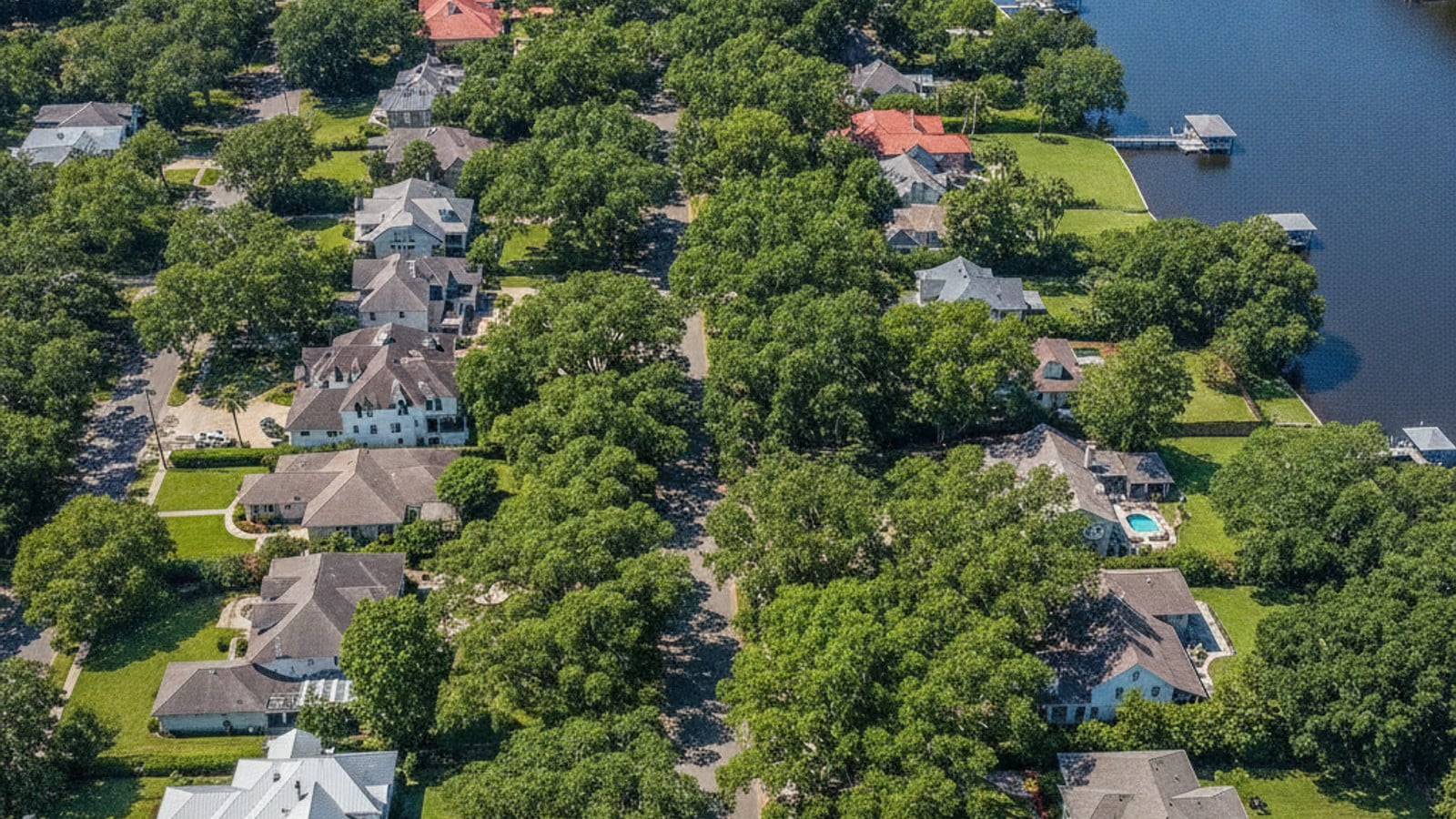
Ortega sits on a peninsula formed where the St. Johns River and the Ortega River meet. U.S. Route 17 - known locally as Roosevelt Boulevard - runs straight through it, which keeps the neighborhood connected to the rest of Jacksonville without much effort.
Ortega Hills is just to the south, with Interstate 295 running along its southern edge and Naval Air Station Jacksonville (NAS Jax) sitting directly across from the neighborhood. That base is a significant piece of the local economy - roughly 23,000 civilians and active-duty members work there - and it shapes who's buying in this part of the city.
Home Prices and Real Estate Trends
The price gap between these two neighborhoods is real and worth understanding before you spend a Saturday driving around.
Ortega carries a median sale price of approximately $516,000. You'll find some properties closer to $265,000 and others pushing past $587,000, depending on what you're looking at. Ortega Hills comes in considerably lower, with a median sale price around $215,000 and some estimates placing certain properties in the $170,000 to $190,000 range. Across the broader Jacksonville market, homes are selling for roughly 98% of list price - a useful baseline when you're thinking through what to offer in either neighborhood.
Property Types and Lot Sizes
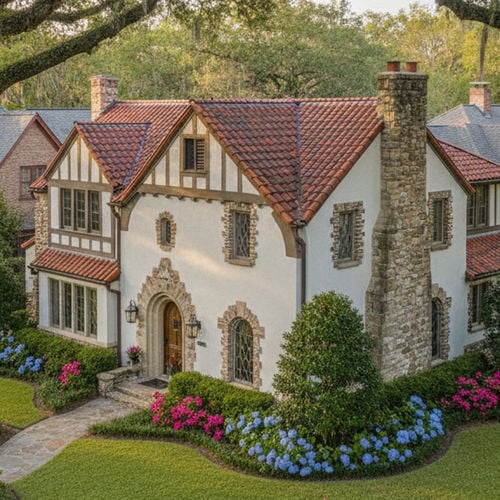
Ortega is older, and it shows - in a good way. The architecture leans heavily on early 20th-century design, with larger lots, mature oak canopies, and a fair number of waterfront properties. If you're looking for something with history and character, this is where you look.
Ortega Hills is a different proposition entirely. The construction is mostly mid-century and late 20th-century, single-story houses on standard suburban lots. Nothing wrong with that - it's practical, it's straightforward, and it's considerably more affordable than what you'll find up on the peninsula.
Commute Routes and Highway Access
Downtown Jacksonville is about eight miles from Ortega. Residents typically use Interstates 10 and 95 to get to the central business district, with U.S. Route 17 handling most of the surface-street traffic in and out of the neighborhood.
Ortega Hills has Interstate 295 right at its doorstep on the southern edge - that beltway makes it easy to move around Duval County without funneling everything through downtown. Route 17 also runs past the neighborhood, giving you a direct line north toward the city center.
Driving to Employment Hubs
The drive from Ortega into downtown is generally straightforward. Route 17 is your main variable - traffic on that corridor sets the pace during peak morning and evening hours, so it's worth driving it yourself before you commit to a house.
For anyone working at NAS Jax, Ortega Hills is the obvious choice. The neighborhood sits directly across the highway from the base, and NAS Jax is located about eight miles south of downtown. Either neighborhood gets you to the major employment hubs without requiring complicated highway transfers, but Ortega Hills has the shorter run to the base.
Local Parks and Outdoor Recreation
Ortega's primary outdoor space is Stockton Park, right on the St. Johns River - fishing piers, picnic tables, and launches for non-motorized boats. The neighborhood also has Stinson Park, Columbus Park on Iroquois Avenue, Bettes Park at Ortega Point, Yerkes Park, and Desoto Park.
Ortega Hills operates at a smaller scale on this front. Ortega Hills Park is a passive, triangular grass park shaded by pine trees in the southwest section of the city. There's also the Ortega Hills Playground, just across from the naval base.
Access to the Water
Being a peninsula, Ortega has the St. Johns River and the Ortega River on its borders - kayaking, fishing, and boating are genuinely accessible, not theoretical. Ortega Hills doesn't have that same waterfront geography. Residents there typically drive north a short distance to use the boat launches and riverfront parks in Ortega. It's not a major inconvenience, but it's a difference worth knowing.
Checking Local School and Safety Statistics
For crime data, the Jacksonville Sheriff's Office website is where you want to go. The department publishes official statistics and incident maps with block-level detail for all of Duval County - both neighborhoods included.
School assignments are handled by Duval County Public Schools, and boundary lines do shift. Before you make any assumptions about which school a specific address feeds into, check the district's website directly. It's also where you'll find enrollment guidelines and official school ratings.
Frequently Asked Questions
What is the average price difference between buying a home in historic Ortega versus Ortega Hills?
The price difference is substantial. The median sale price in Ortega is approximately $516,000, while homes in Ortega Hills have a median sale price around $215,000. Buyers will generally pay more for properties located on the Ortega peninsula.
Which neighborhood offers a more convenient commute for military personnel stationed at NAS Jacksonville?
Ortega Hills is closer to the base. It sits directly across Route 17 from Naval Air Station Jacksonville. Ortega is located just to the north, offering a slightly longer but still manageable commute.
How do the architectural styles and home ages differ between Ortega and Ortega Hills?
Ortega features many older, historic homes with early 20th-century designs and larger lots. Ortega Hills consists primarily of mid-century and late 20th-century single-story houses on standard suburban lots.
Are homes in the Ortega peninsula at a higher risk for flooding and expensive insurance compared to Ortega Hills?
It depends on the property's location. Ortega is surrounded by the St. Johns River and the Ortega River. Buyers should verify insurance requirements for specific addresses.
Will I face stricter historic preservation rules when renovating a house in Ortega rather than Ortega Hills?
It depends on the specific home. Ortega is known for its historic properties and early 20th-century designs. Buyers planning renovations should check local zoning and preservation guidelines for their specific address.
Which of these two Jacksonville neighborhoods offers better public access to waterfront parks and the St. Johns River?
Ortega provides more direct waterfront access. It features Stockton Park, which sits on the St. Johns River and includes fishing piers and non-motorized boat launches. Ortega Hills has inland parks like the Ortega Hills Playground, but residents typically travel to Ortega for river access.
Check out this article next