
If you are looking athomes for sale in Jacksonville, it is easy to get distracted by the sparkling new developments and the beaches. But beneath the surface of this modern metropolis lies a history that is deeper, more tumultuous, and frankly more interesting than almost any other city in Florida. We aren't just a beach town; we are a city of constant reinvention.
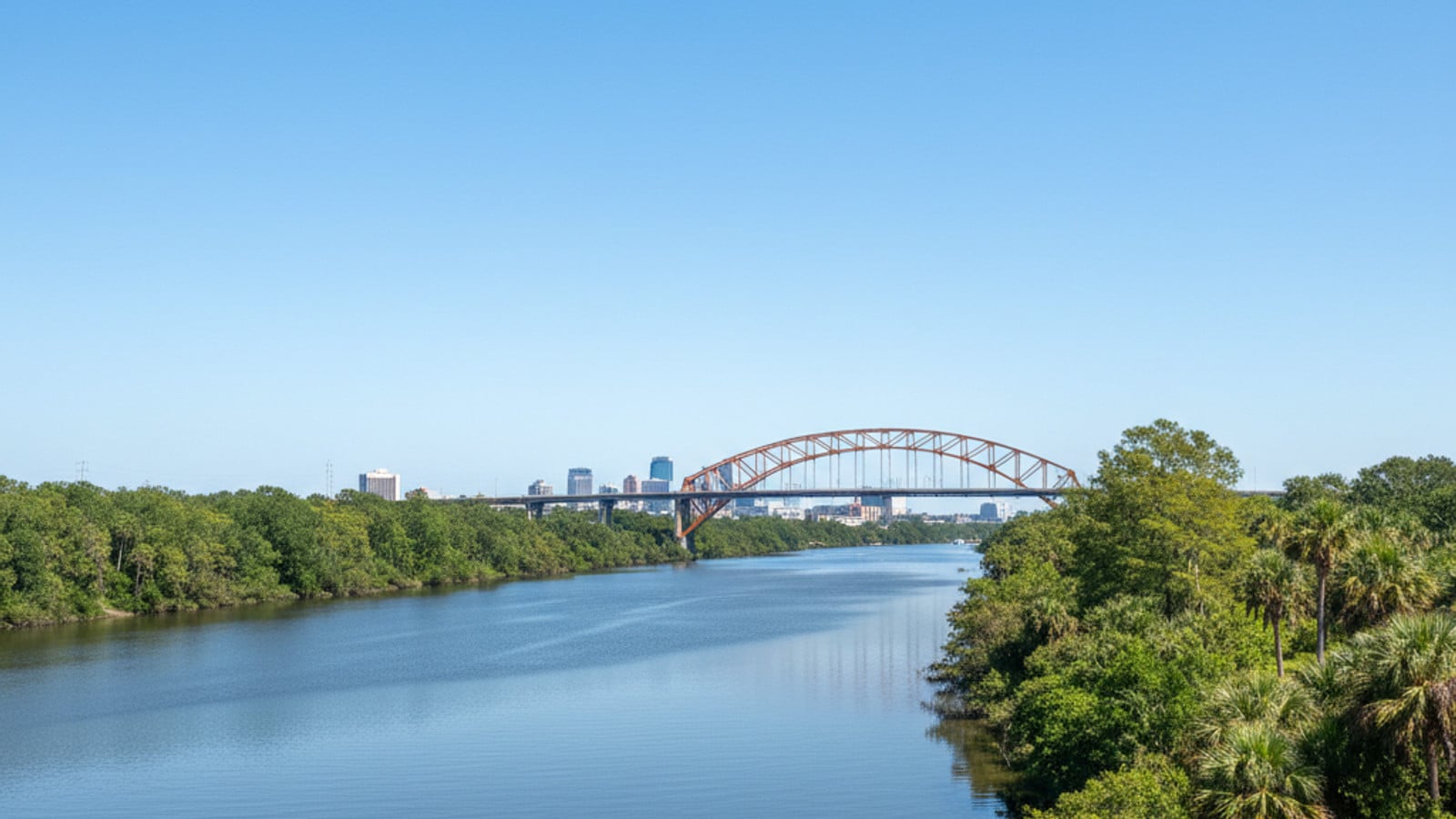
Before it was the sprawling "Bold City" we know today, this area was a narrow point in the St. Johns River known as "Wacca Pilatka" to the indigenous people and later "Cowford" by British settlers. Over the centuries, the land that is now Jacksonville has operated under five different flags: French, Spanish, British, Confederate, and American. From early Timucua settlements to the massive consolidation of the 1960s, the history here is what gives our neighborhoods their distinct character.
Early Exploration: Timucua, French Huguenots, and Spanish Rule (1513–1821)
Long before European boots hit the ground, the Timucua people—specifically the Mocama subgroup—called this region home. They lived along the St. Johns River for thousands of years, thriving on the abundant oysters and fish. When you explore some of the older, untouched parts of the region, you are walking on land that has been inhabited for millennia.
The European chapter of our history kicks off earlier than most people realize. In 1562, Jean Ribault led a French Huguenot expedition here, and by 1564, they had established Fort Caroline. To put that in perspective, this settlement predates both Jamestown and Plymouth. It was a bold claim to Florida, but it didn't last long.
The Spanish, led by Pedro Menéndez de Avilés, were not happy about the French presence. They destroyed Fort Caroline, cementing Spanish control over the region for centuries. Later, during a brief period of British rule, the area began to be known as "Cowford." It wasn't a glamorous name, but it was accurate; the river narrowed enough here for cattle to cross, making it a vital logistical point long before it was a proper city.
1822: How Did Jacksonville Get Its Name?
This is one of my favorite trivia bits to share with clients new to the area. The city was officially founded in June 1822 by Isaiah Hart and a group of settlers who saw the potential of a port city. They laid out the streets and decided to name the new town after Andrew Jackson, who was the first military governor of the Florida Territory and a national hero at the time.
Here is the irony, though: Andrew Jackson never actually visited the city of Jacksonville.
Despite the honor, the General never set foot in the town that bears his name. The naming was largely a political move to gain favor and recognition. Regardless of Jackson's absence, the city grew rapidly. Its location on the St. Johns River made it a powerhouse for the cotton and timber economies, setting the stage for it to become the commercial hub of the state.
The Civil War and Reconstruction Era
Given its status as a key port, Jacksonville had a rough time during the Civil War. The city was occupied by Union forces four separate times. Control of the city swapped back and forth, leading to significant instability and damage to the local infrastructure.
However, the post-war era brought a surprising twist. During Reconstruction, Jacksonville transformed into a winter resort for the wealthy elite of the North. Long before Miami or Palm Beach were developed, Jacksonville was the original "Florida tourist trap." Grand hotels sprang up, and steamships brought visitors down the river. This growth hit a speed bump in 1888 with a severe yellow fever outbreak, but the city’s reputation as a destination was already solidified.
The Great Fire of 1901: Destruction and Rebirth
If you walk through Downtown Jacksonville today, you might notice a distinct architectural style. That is the direct result of the most pivotal event in our history: the Great Fire of 1901.
On May 3, 1901, a spark from a kitchen fire at the Cleveland Fiber Factory ignited drying Spanish moss. The result was catastrophic. The fire tore through the city, burning 146 city blocks and destroying 2,368 buildings. It left nearly 10,000 residents homeless and reduced the historic core to ashes.
But the recovery was just as dramatic as the destruction. The city rebuilt rapidly, led largely by the vision of architect Henry John Klutho. He championed the Prairie School style of architecture—similar to Frank Lloyd Wright’s work. Because so much was built in this short window of time, Jacksonville boasts one of the highest concentrations of Prairie School architecture in the country. It was a literal trial by fire that gave the city its unique 20th-century look.
What is the Oldest Building in Jacksonville?
Because the Great Fire of 1901 wiped out the vast majority of the city's core, finding buildings that predate the 20th century is rare. When buyers interested in historic properties ask me about the "really old" stuff, I have to explain that most of it is gone. However, a few resilient structures survived the flames.
Old St. Luke's Hospital (1878): Often cited as one of the oldest surviving public buildings in the city, this structure managed to escape the fire's path. It stands as a reminder of the city's pre-fire infrastructure.
Old St. Andrew's Church (1888): This is the only major church in the downtown area that survived the 1901 blaze. It is a stunning piece of history that provides a glimpse into what the Victorian-era city might have looked like.
20th Century Growth: Hollywood, The Navy, and Historic Neighborhoods
As the city moved into the 1900s, it wore many hats. Believe it or not, before Los Angeles took the crown, Jacksonville was the "Winter Film Capital of the World." In the silent film era, studios like Norman Studios produced movies here year-round thanks to our warm weather and diverse scenery.
Eventually, the film industry moved west, and Jacksonville pivoted toward the military. With the onset of World War II, the establishment of NAS Jacksonville and later Naval Station Mayport cemented the city as a Navy town. This influx of military personnel drove massive residential expansion.
The mid-century also brought the struggle for Civil Rights. Jacksonville was the site of "Ax Handle Saturday" and significant activism. These events shaped the social landscape of the city and highlighted the resilience of its communities.
Spotlight on Durkeeville
One of the most culturally significant areas to emerge during this time was Durkeeville. Established largely in the 1930s, this neighborhood became a thriving hub for the African American community.
The heart of the neighborhood is J.P. Small Memorial Park (formerly Durkee Field). This isn't just a local ballfield; it is hallowed ground where the Negro Leagues played. Legends like Babe Ruth and Hank Aaron graced this field. The Myrtle Avenue corridor served as the commercial backbone, bustling with activity. Today, there is a renewed interest in preserving the rich history of Durkeeville, making it a point of pride for the city.
1968 Consolidation: Becoming the Bold City
If you have ever looked at a map and wondered why Jacksonville is so geographically huge, the answer lies in 1968. In a historic vote, residents approved the consolidation of the City of Jacksonville and the Duval County governments.
On October 1, 1968, the new government took effect. The result was that Jacksonville became the largest city by land area in the contiguous United States. This move was designed to unify the tax base and streamline services like fire and police. It is the reason why, when we talk about living in Jacksonville, we are often talking about a massive area that encompasses urban cores, suburban sprawls, and rural wetlands all under one mayor.
Frequently Asked Questions About Jacksonville History
How did Jacksonville, FL get its name?
The city was named in 1822 after Andrew Jackson, who was the first military governor of the Florida Territory and a national hero at the time. Interestingly, Jackson never actually visited the city that was named in his honor.
What is the oldest building in Jacksonville, FL?
Because the Great Fire of 1901 destroyed most of the city, very few older structures remain. Old St. Luke's Hospital (1878) and Old St. Andrew's Church (1888) are two of the primary survivors that predate the fire.
Where is the Durkeeville neighborhood located?
Durkeeville is a historic neighborhood located just northwest of Downtown Jacksonville. It is situated roughly between I-95 and Kings Road, serving as a cultural landmark near the urban core.
What caused the Great Fire of 1901?
The fire started on May 3, 1901, at the Cleveland Fiber Factory when a spark from a kitchen fire ignited piles of drying Spanish moss. The blaze quickly spread, destroying 146 city blocks and changing the city's architecture forever.
Check out this article next