

Check out this article next
For generations, the formal dining room was considered a must-have feature in American homes. It was the place for holiday gatherings, special occasions, and family dinners. But today's buyers are redefining how they use their homes, and the traditional dining room is quickly losing its place on many wish lists.
As lifestyles evolve and homeowners prioritize flexibility, buyers are looking for spaces that serve multiple purposes rather than rooms reserved for occasional use. This shift is changing home design trends, influencing renovation projects, and affecting what buyers value most when shopping for a home.
So, is the dining room really disappearing? Not entirely. But its role is changing dramatically.
Why Formal Dining Rooms Are Falling Out of Favor
One of the biggest reasons formal dining rooms are declining in popularity is simple: many families rarely use them.
Modern households often gather around kitchen islands, breakfast nooks, or open-concept living areas rather than sitting down in a dedicated dining room every night. As a result, buyers increasingly view formal dining rooms as wasted square footage.
Instead of a room used a few times per year, buyers want every area of the home to provide daily value.
This trend has become especially noticeable among younger buyers who prioritize functionality over tradition.
Open-Concept Living Changed Buyer Expectations
The rise of open floor plans has played a major role in the decline of formal dining rooms.
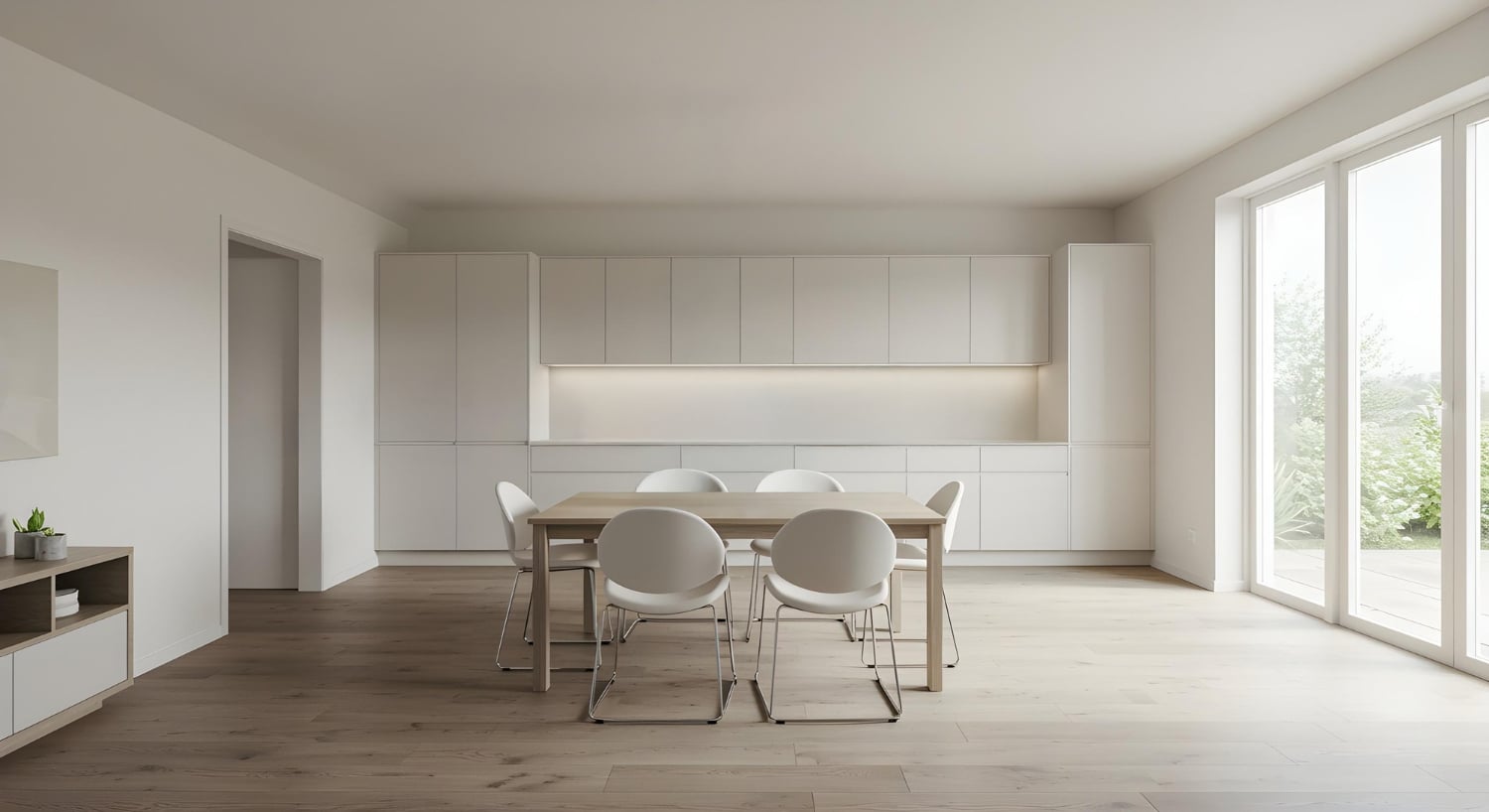
Today's buyers often prefer homes where the kitchen, dining, and living areas flow together seamlessly. Open-concept layouts create a larger sense of space, improve natural light, and make it easier for families to interact while cooking, eating, and entertaining.
Rather than separate formal rooms, buyers are seeking:
- Large kitchen islands with seating
- Casual dining areas
- Flexible gathering spaces
- Multi-purpose living areas
- Indoor-outdoor entertaining spaces
For many homeowners, these features better support modern lifestyles.
Buyers Want Flexibility Over Formality
One of the biggest trends in real estate is the growing demand for flexible spaces.
Many buyers would rather have a room that can serve multiple purposes than one dedicated solely to dining. A former dining room can easily become:
- A home office
- A playroom
- A study area
- A fitness room
- A hobby space
- A guest room
As remote work and hybrid schedules continue to influence daily life, flexibility has become one of the most desirable features in a home.
The Kitchen Has Become the New Gathering Place
Today's kitchens are larger and more functional than ever before.
Many modern homes feature oversized islands, built-in seating, and open layouts that naturally encourage gathering. As a result, the kitchen often serves as the true heart of the home.
Buyers are increasingly prioritizing:
- Large islands
- Walk-in pantries
- Double ovens
- Ample counter space
- Open sightlines to living areas
- Informal dining spaces
When these features are present, the need for a separate dining room becomes less important.
Entertaining Looks Different Today
Home entertaining has also evolved.
Rather than hosting formal dinner parties, many homeowners now prefer casual gatherings where guests can move freely between the kitchen, living room, patio, and outdoor spaces.
This shift has increased demand for:
- Covered patios
- Outdoor kitchens
- Open living spaces
- Great rooms
- Flexible entertainment areas
Homes designed for casual entertaining often feel more practical and inviting to modern buyers.
Are Dining Rooms Completely Dead?
Not necessarily.
Some buyers still value dedicated dining rooms, especially those who frequently host large family gatherings, holiday celebrations, or formal dinners.
Luxury homes and larger properties often continue to feature dining rooms because they provide additional entertaining options and architectural appeal.
However, even in these homes, buyers often appreciate flexibility. A dining room that could easily be converted into another functional space may hold greater appeal than one with a highly specialized design.
What This Means for Sellers
If your home has a formal dining room, don't worry—it doesn't automatically reduce your home's appeal.
The key is helping buyers see the room's potential.
Consider staging the space in a way that highlights flexibility. Depending on your target market, the room could be presented as:
- A home office
- A study area
- A family gathering space
- A hybrid dining and workspace
- A reading room
Showing multiple possible uses can help buyers envision how the space fits their lifestyle.
What Buyers Should Focus On
When evaluating homes, focus less on the room's label and more on how the space can serve your needs.
Ask yourself:
- Does the layout fit my lifestyle?
- Can this space adapt over time?
- Will I actually use a formal dining room?
- Would a flexible room provide more value?
A home's functionality often matters more than whether a room was originally designed for dining.
Final Thoughts
The formal dining room isn't completely disappearing, but its importance is clearly changing. Today's buyers are prioritizing flexible spaces, open-concept living, and rooms that support their everyday lives.
As buyer preferences continue to evolve, homes that offer adaptability and functionality are often the ones that stand out in the market. Whether you're buying or selling, understanding these changing priorities can help you make smarter real estate decisions and maximize the value of your home.